Posted in: Ingredient Buyer Guides
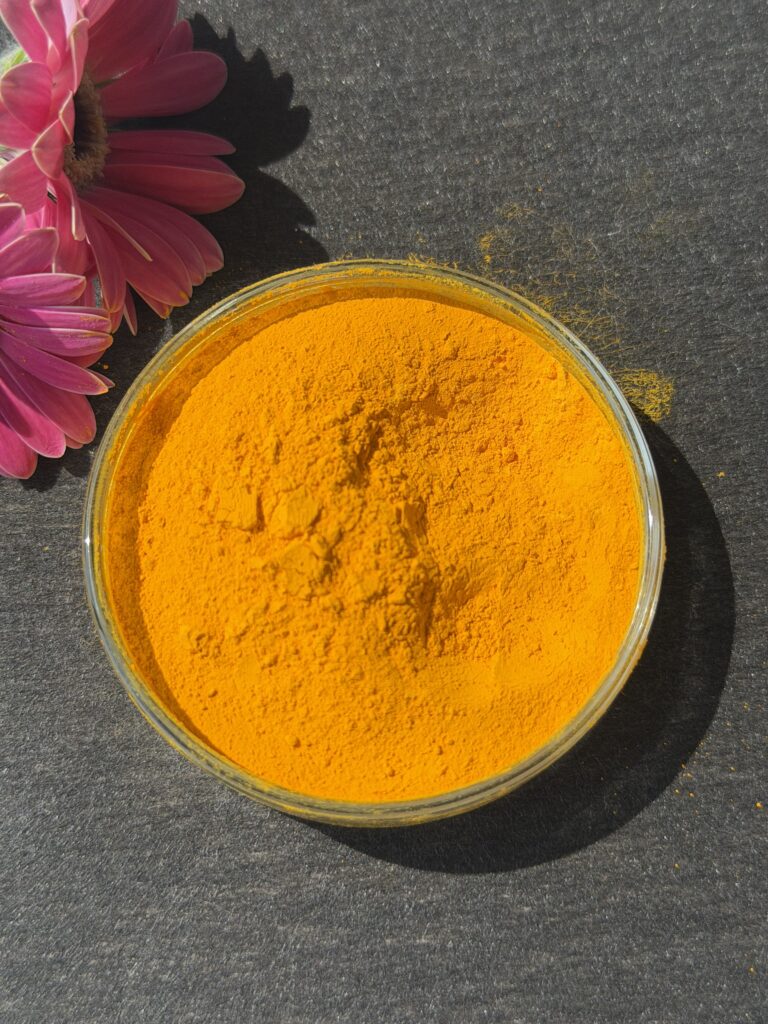
Food ingredient samples help development teams predict how commercial material will behave in a finished product. Appearance alone is not enough. Buyers should compare identity, assay, sensory impact, physical performance, food safety data, packaging, and lot information before approving bulk supply.
Food ingredient samples: define the purpose
Record what the sample must prove: identity, flavor or color contribution, solubility, stability, texture, processability, or all of these. A sample used for an early bench test may need fewer checks than one used for a pilot run. Define the target application, dose, process conditions, and acceptance criteria before testing.
1. Confirm sample identity and traceability
Check the exact product name, form, plant part or source, lot number, country of origin, packing date, and storage conditions. Compare the label with the supplier quotation and specification. Ask whether the sample came from finished stock, a production lot, a blend, or a repacked package. Without traceability, a sample cannot serve as a reliable commercial reference.
2. Compare each sample with the specification
Review assay or marker, purity, moisture, particle size, bulk density, appearance, color, odor, solubility, pH, viscosity, and microbiological limits. Confirm the unit and basis, such as dry basis or as-is basis. Request representative COA data so the laboratory result is tied to a defined target.
For botanical food ingredients, compare marker and physical requirements on Black Pepper Extract or Turmeric Extract. The same principle applies to fruit powders, standardized extracts, functional additives, beverages, bars, capsules, and premixes.
3. Run a realistic food application trial
Use the samples at the intended dosage and under the same mixing, heating, shear, hydration, and storage conditions expected in production. Record dispersion time, sedimentation, color change, taste, odor, texture, flow, and compatibility with carriers. A sample can pass an assay check but fail when it creates clumping, separation, excessive dust, or an unacceptable sensory profile.

4. Review food safety documents
- Current specification with methods and acceptance limits
- Sample or representative lot COA
- Microbiology, pathogens, heavy metals, pesticides, mycotoxins, and solvents where relevant
- Allergen, GMO, irradiation, origin, and market-specific statements
- Packaging, storage, shelf life, MOQ, lead time, and change terms
5. Check sample-to-order consistency
Ask how the supplier controls commercial lots against the approved food ingredient samples. Review recent COAs for the same product and compare assay, moisture, color, particle size, and microbiological results. Confirm how deviations are investigated and how a change in source, process, packaging, or test method is communicated before shipment.
6. Keep an approval record
Store the sample label, test results, application trial notes, photographs if useful, COA, specification, and supplier correspondence together. Note the approved dose, application, package, and limitations. This prevents procurement from approving a different grade or form simply because the product name looks similar.
Good Nutrition Bio supports functional ingredient sourcing and documentation review. Use the COA documentation resource to define release information, then include the ingredient, quantity, packaging, destination, and sample request on the request a quote page.
7. Apply food-safety expectations
Align sample approval with your documented food safety system. The U.S. FDA Food Safety Modernization Act guidance is a useful external reference for preventive controls and supplier verification.
Move from sample to bulk order
Approve the samples when they meet the specification, perform in a realistic application trial, and have traceable documentation and workable supply terms. A documented sample approval gives QA, procurement, and the supplier a shared reference for the first bulk lot and repeat orders.
Use the same evaluation record for every supplier so development and QA teams can compare results clearly and make a confident release decision.