Botanical extracts, nutraceutical ingredients and OEM-ready support

Bulk supplier page: Palmitoylethanolamide PEA Supplier
Published ISO certificates identify Good Nutrition Biotechnology Co., Ltd. Review each document's scope before supplier qualification.
 ISO 9001:2015
 ISO 22000:2018
ISO 9001 covers plant extracts and pharmaceutical intermediates. ISO 22000 covers the named extracts and food additives listed in its certificate, including NAD and MSM. These management-system documents do not certify every catalogue product.
Current status must be confirmed with CQC and the applicable surveillance audit acceptance notice. For Halal, Kosher or organic requirements, request product-specific evidence and confirm availability before ordering.
Palmitoylethanolamide (PEA) is a naturally occurring fatty-acid amide used in comfort, mobility, recovery and healthy-aging supplement formulas.
PEA is a lipid-derived ingredient with low intrinsic water solubility. Particle size, micronization status, assay and bulk density can materially influence blend uniformity, capsule fill and the intended delivery strategy.
| Product Name | Palmitoylethanolamide (PEA) |
|---|---|
| Material Identity | Palmitoylethanolamide |
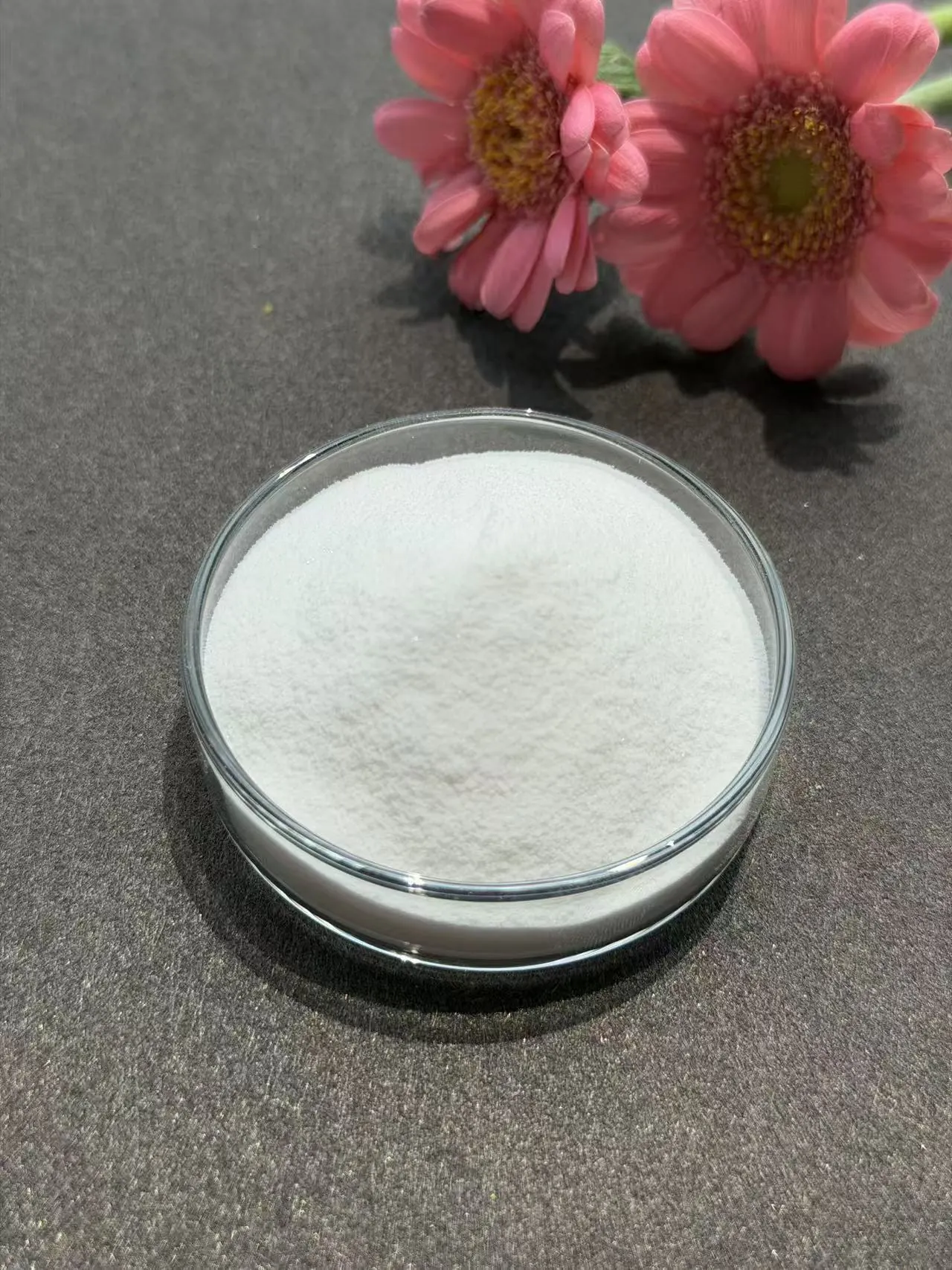
| Appearance | White to off-white fine powder |
| Key Specification | 99% minimum assay with particle-size and related-substance controls |
Final suitability should be confirmed against the agreed product specification, batch COA, destination-market requirements and the buyer’s finished-product validation.
Review PEA identity and HPLC assay; Particle-size distribution and micronization status; Related substances, residual solvents, heavy metals and microbiological limits. Final acceptance should follow the agreed specification and batch COA.
Commonly used in capsules, tablets and precision-dose blends; Select particle size according to dissolution and manufacturing needs; Confirm bulk density and flow before production-scale encapsulation
Common application directions include Comfort and mobility support products; Sports-recovery and active-lifestyle formulas; Healthy-aging and specialist wellness supplements. Finished-product claims and suitability must be reviewed for the destination market.
B2B purchasing details
For bulk Palmitoylethanolamide PEA purchasing, buyers commonly review assay, particle size, appearance, moisture, heavy metals and microbiological limits before confirming sample evaluation, MOQ, packaging and lead time.
Buyers searching for a palmitoylethanolamide supplier usually compare assay, particle size, appearance, moisture, sample support, packaging and delivery timing before sourcing.
| Buyer question | What to confirm | Useful next step |
|---|---|---|
| Assay / specification | Confirm declared PEA content, particle size and form for the intended dosage form. | Read the supplier guide |
| COA and quality documents | Review the batch COA, moisture, heavy metals and microbiological limits before approval. | Check quality control |
| MOQ, sample and lead time | Share target quantity, sample needs, packaging preference and destination market for a practical quote. | Request a quote |
| Application fit | Compare PEA with other comfort, wellness and functional ingredients for capsules or blends. | Browse products |
Need a current specification or COA?
Share the ingredient name, target specification, order quantity, packaging preference and destination market so the team can respond with practical quotation details.
Inquiry Options