Posted in: Ingredient Guide
Is There Really a “Vitamin K12”?
Clarifying the Myth and
Unlocking the Synergy of K & B12
The term “Vitamin K12” keeps surfacing in supplement sourcing conversations — but it isn’t what you might think. Here is the science behind Vitamin K and Vitamin B12, why they get confused, and how they work together to support bone, cardiovascular, and nervous system health.
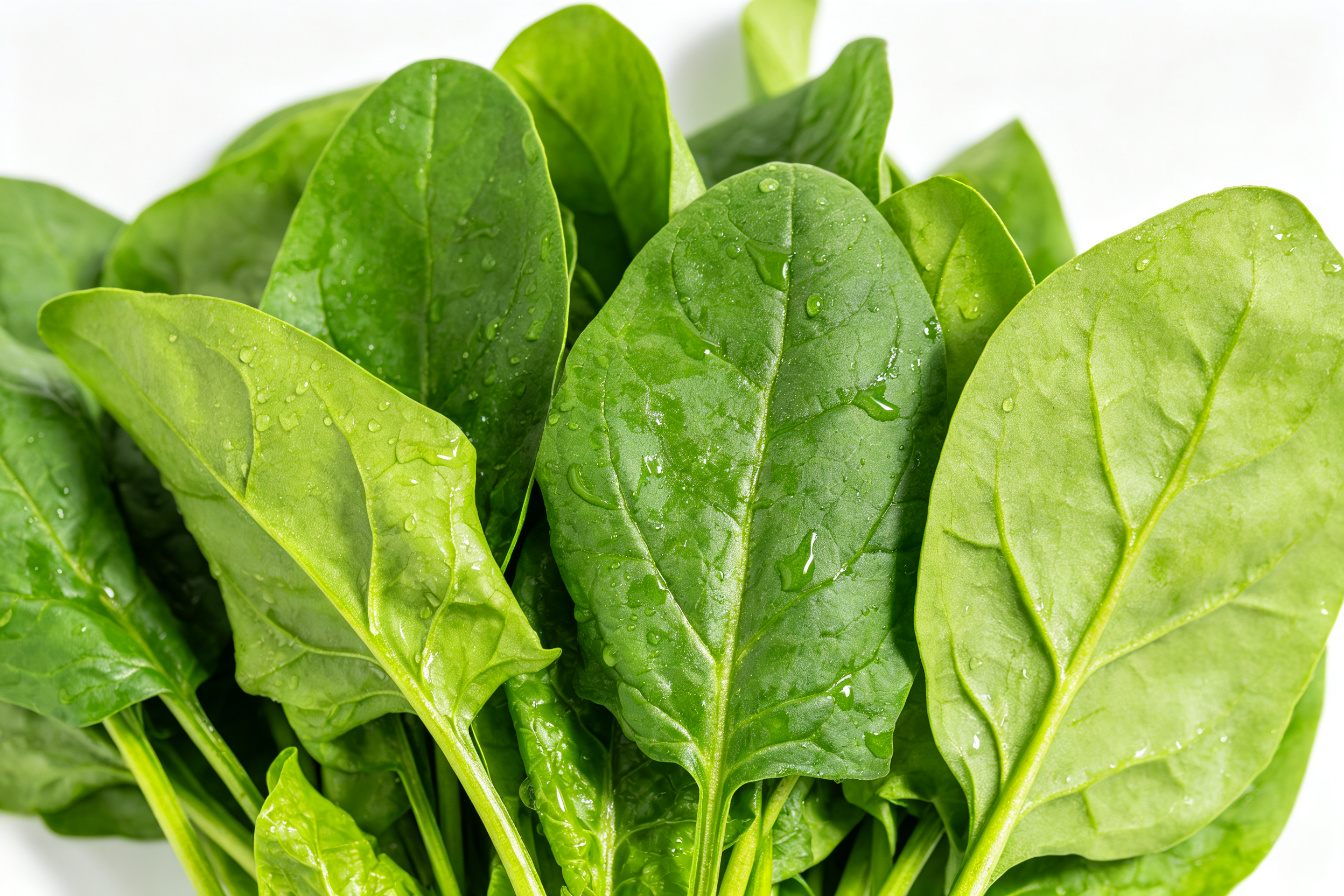
In the world of nutritional supplements, precise terminology is everything. Recently, procurement teams and formulators have started encountering a curious name: “Vitamin K12.” On closer inspection, this term almost always traces back to a simple — yet consequential — confusion between two essential vitamins: Vitamin K and Vitamin B12.
This guide clears up the misunderstanding, breaks down what each vitamin really does, and shows how they can be paired in science-based formulations — plus what to look for when sourcing high-quality raw materials.
There is no recognized “Vitamin K12” in authoritative nutrition science. The term is an informal mix-up of Vitamin K and Vitamin B12 — two separate, fat- vs. water-soluble nutrients with completely different roles.
What Is “Vitamin K12” Really?
Let’s start with the scientific consensus. Vitamin K12 is not a recognized, independent nutrient. It does not appear as a standard designation in authoritative nutrition systems, and it has no corresponding chemical structure or defined physiological function.
So where does the name come from? Two patterns are most common:
- Confusion between Vitamin K and B12. Both carry the word “vitamin” plus a letter and number, yet their chemistry and functions could hardly be more different. Vitamin K governs blood clotting and calcium handling; Vitamin B12 governs red blood cell production and nerve health.
- Non-standard industry shorthand. In casual contexts, “K12” may be used loosely for the Vitamin K family (K1, K2), or appear as a verbal or written slip for Vitamin B12 (cyanocobalamin). It is not a true nutrient.
Precise terminology isn’t pedantry — it’s the foundation of product quality, safety, and regulatory compliance.
For anyone sourcing ingredients, developing formulas, or writing labels, the professional recommendation is clear: use exact chemical names such as Phytonadione (Vitamin K1), Menaquinone-7 (Vitamin K2, MK-7), and Cyanocobalamin / Methylcobalamin (Vitamin B12) — and avoid ambiguous, non-standard expressions that could mislead customers or regulators.
Vitamin K: Guardian of Coagulation and Bone Health
Vitamin K is a fat-soluble vitamin that exists mainly in two forms — K1 (Phylloquinone) and K2 (Menaquinone). Together they build what nutritionists call the “guardian” system for blood clotting, bone density, and cardiovascular protection:
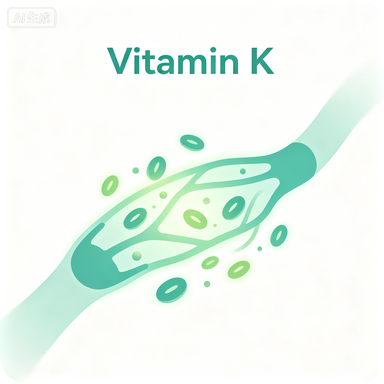
Coagulation Regulation
Activates key clotting factors, building the body’s safety line against spontaneous bleeding and coagulation disorders.
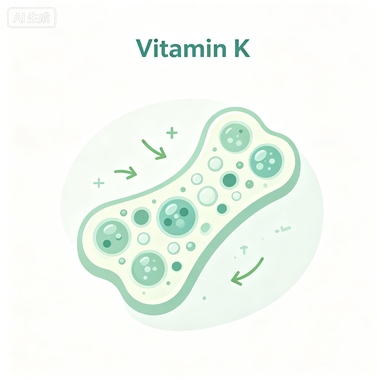
Bone Health Foundation
Drives carboxylation and activation of osteocalcin, guiding calcium into the bone matrix to improve density and toughness.
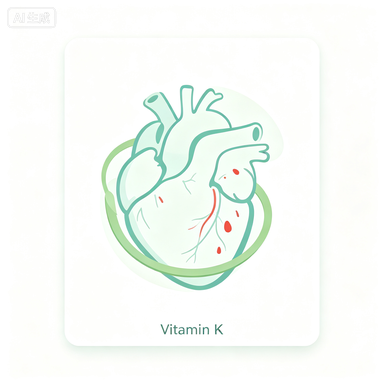
Cardiovascular Protection
Inhibits vascular smooth muscle calcification, preserving vessel elasticity and reducing the risk of vascular hardening.
Vitamin K1 — The Natural Clotting Factor
Vitamin K1 (phylloquinone) is produced by plants through photosynthesis and is the nutrient that keeps our blood-clotting system running. Its most familiar natural sources are dark green leafy vegetables — spinach, kale, and broccoli.
- Cornerstone of blood coagulation: As an essential coenzyme for the liver’s clotting-factor synthesis, K1 is indispensable for normal hemostasis.
- Health defense for newborns: Routine K1 supplementation is standard practice for preventing hemorrhagic disease in newborns.
Vitamin K2 — The Navigator of Calcium
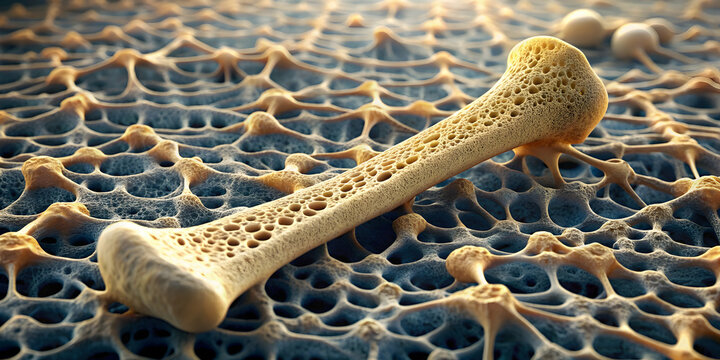
Vitamin K2 acts as a “navigator” for calcium: it decides where calcium ends up — in the bones where it’s needed, or on blood-vessel walls where it can do harm. It is synthesized by intestinal flora and found especially in fermented foods. Natto, for example, is among the richest natural sources of the MK-7 form of K2.

- Bone health — calcium’s homing: K2 activates osteocalcin, guiding calcium ions from the blood into the bones to improve density, prevent osteoporosis, and reduce fracture risk.
- Cardiovascular health — anti-calcification barrier: It activates matrix Gla protein (MGP) to stop abnormal calcium buildup on vessel walls, preventing calcification and atherosclerosis.
Vitamin K2 is the “commander” of calcium — making calcium supplementation genuinely effective and safe.
Vitamin K in Supplement Manufacturing
Thanks to these unique activities, K1 and K2 are core ingredients across several product categories:
Bone Health Formulas
For osteoporosis and low bone density — especially valuable for middle-aged and elderly populations.
Cardiovascular Products
Prevent vascular calcification and maintain vessel elasticity to protect heart health.
Multivitamin Blends
An essential component meeting general dietary intake needs for the wider population.
Targeted Supplementation
Tailored products for seniors, pregnant women, and vegetarians with specific needs.
Beverages & Functional Foods
Blend-ready forms integrated into capsules, tablets, powders, and beverages.
Vitamin B12: Cornerstone of Nervous System & Blood Health
Unlike Vitamin K, Vitamin B12 is a water-soluble vitamin — the “power source” for the nervous system and blood. Its main forms are Cyanocobalamin (a stable, common supplement form) and Methylcobalamin (an active form with better absorption).
Core Functions
- Red blood cell formation & hematopoiesis: As a key coenzyme, B12 supports the maturation and division of red blood cells, helping prevent megaloblastic anemia and keeping oxygen transport running.
- A stable cornerstone of the nervous system: It promotes DNA synthesis and myelin formation in nerve cells, keeping nerve fibers intact and signals conducting efficiently.
- An important guarantee for cognitive health: Adequate B12 helps delay cognitive decline, reduce memory loss in older adults, and protect mental clarity.
Dietary Sources
Our bodies cannot produce B12 on their own — and plant foods essentially lack it. It lives almost exclusively in animal-based foods:
Meat
Red meats (beef, pork) and liver are rich natural sources.
Fish
Salmon, tuna, and cod supply B12, protein, and Omega-3s.
Eggs & Dairy
Eggs, milk, cheese, and yogurt are convenient daily sources.

Vegetarians and vegans are at higher risk of B12 deficiency. Fortified foods (nutritional yeast, plant milks) or supplements are essential to fill the gap — as are seniors and those with impaired gastrointestinal absorption.
Vitamin B12 in Supplement Manufacturing
Energy Metabolism
Helps convert food into usable energy — ideal for office workers and students.
Nervous System Support
Relieves mental fatigue and anxiety for high-pressure professionals.
Vegetarian Nutrition
Fills the plant-based dietary gap to support long-term health.
Senior Care
Addresses reduced absorption, preventing cognitive decline and anemia.
Synergy: Why K and B12 Work Better Together
Vitamin K and Vitamin B12 have different jobs — but they complement each other beautifully, creating a “1 + 1 > 2” effect across several systems:
Cornerstone of Bone Health
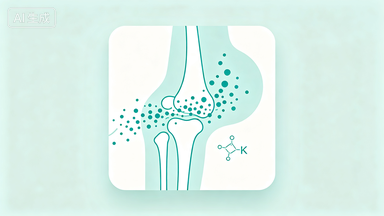
K2 guides calcium deposition while B12 supports bone-cell metabolism — a dual layer of skeletal support.
Cardiovascular Protection
K2 prevents vascular calcification while B12 helps lower homocysteine — two complementary heart-health actions.
Systemic Balance
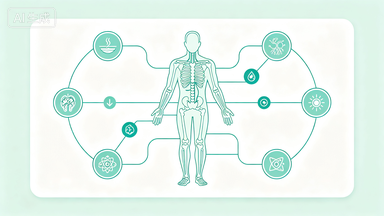
Together they safeguard clotting, blood, nerves, bones, and the cardiovascular system for whole-body health.
When calcium management, vascular protection, nerve support, and healthy blood work as one system, the body functions at its best.
A Guide to Sourcing High-Quality Vitamin Raw Materials
When sourcing vitamin raw materials for supplements or functional foods, quality and suitability come first. Here is what experienced procurement teams look for:
| Ingredient | Key Benefits | Form Options |
|---|---|---|
| Vitamin K1 (Phytonadione) | High purity, stable chemistry, excellent bioabsorption | Capsules, tablets, functional beverages |
| Vitamin K2 (MK-7) | Exceptional bioavailability; activates osteocalcin for bone & heart | Fermented natto-derived powder, oils |
| Vitamin B12 (Cyanocobalamin) | Strong water solubility, superior stability, multiple active forms | Oral liquids, chewables, pressed candies |
Whichever ingredient you choose, demand batch certificates of analysis (COA), full specifications, and stability data — and verify that the supplier supports compliance review and product registration documentation.

Work With a Trusted Partner
GoodNutrition Bio is a China-based nutraceutical ingredient manufacturer supplying high-purity Vitamin K1, high-bioavailability Vitamin K2 (MK-7), and Vitamin B12 — alongside botanical extracts, amino acids, and functional ingredients — to supplement, food, and beverage companies worldwide.
Quality Assurance
Stringent multi-stage quality control; full COA provided per batch for purity, safety & compliance.
Documentation Support
Comprehensive specs, MSDS, and formulation guidance to ease compliance review and registration.
Global Supply
Stable bulk supply with OEM/ODM, global logistics, and timely delivery for diverse market needs.
Ready to Build a Science-Based Formulation?
Tell us the ingredient, target use, and quantity range — and receive specifications, sample availability, packaging details, and current lead time.
info@goodnutrition-bio.com · goodnutrition-bio.com