Posted in: Supplier Guide
Reliable food ingredient sampling gives procurement, quality assurance, and formulation teams a defensible way to approve a lot before production. A sample is useful only when it represents the shipped material, carries clear batch identity, and can be compared with the same specification and reference sample later.
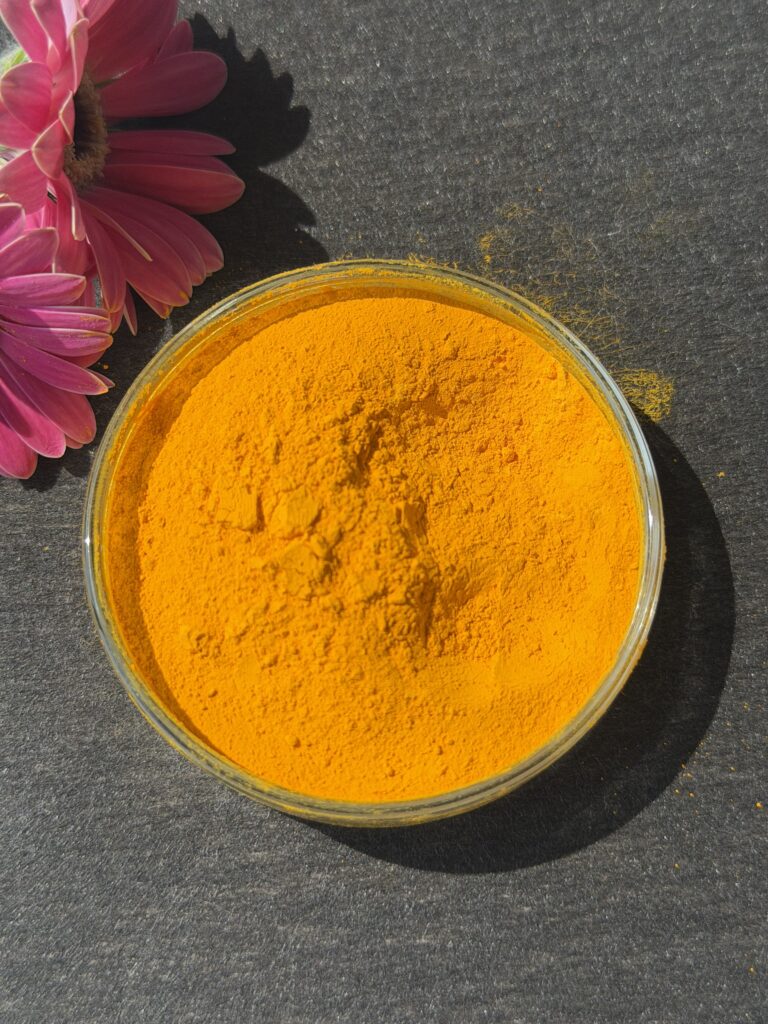
Why food ingredient sampling must be representative
Powders, granules, extracts, and blended ingredients can vary by location in a drum, bag, or pallet. Surface material may not reflect the center of a container, while settling or segregation can affect assay, moisture, color, or microbiological results. A reliable food ingredient sampling plan should therefore define how many containers are selected, where increments are taken, and how increments are combined or tested.
A practical 7-step food ingredient sampling process
1. Define the lot and sampling plan
Record supplier, product name, lot number, manufacturing date, quantity, packaging format, and the number of containers received. Use a risk-based plan: high-risk or highly variable materials normally require more containers and more independent increments.
2. Select containers across the shipment
Choose units from different pallet positions, layers, and production portions. Avoid selecting only the easiest bags to reach. For a retained sample, document the container IDs and the person who performed the collection.
3. Use clean, suitable equipment
Sampling tools must be clean, dry, compatible with the material, and protected from cross-contamination. Follow the site procedure for cleaning verification, personal protective equipment, and environmental controls. Never return opened material to an approved container unless the procedure explicitly permits it.
4. Label every sample immediately
Each primary sample should show the product, supplier, lot, container number, date, sampler, and intended test. A unique sample code should connect the physical container to the receiving record, COA review checklist, and laboratory report.
5. Compare the sample with the COA and specification
Check identity, assay or marker compounds, moisture, particle size, microbiological limits, heavy metals, residual solvents, and other agreed parameters. Confirm that the product specification and COA refer to the same lot and test method. A passing COA does not replace incoming verification when your quality system requires testing.
6. Compare against an approved reference sample
For appearance, color, odor, dispersibility, and handling behavior, compare the new sample with an approved reference sample under consistent conditions. Record observations with objective language and photographs when useful. Reference samples help detect gradual drift that a single numerical result may miss.
7. Seal, retain, and release
Keep enough material for repeat testing, complaint investigation, and regulatory review. Store it in a sealed, clearly identified container under conditions that protect stability. Your bulk ingredient supply procedure should define the retained-sample quantity, storage location, review date, and disposal authorization.

Retained samples support investigations
A retained sample is a controlled record of what was received. When a complaint, out-of-specification result, or process change occurs, QA can compare the retained material with the finished product and later lots. Keep the sample for the defined shelf life plus the investigation period, or longer when your customer or regulation requires it. Document temperature, humidity, light protection, and any special conditions for sensitive ingredients.
What to request in an RFQ
- Sampling plan and number of containers represented
- Lot-specific COA and analytical methods
- Reference sample availability and retained-sample policy
- Packaging, storage, shelf life, and shipment conditions
- Change-notification and deviation-investigation process
These questions make supplier comparisons clearer and reduce surprises during scale-up. For a tailored specification review, see our functional ingredients range or request a quote.
Useful regulatory reference
Food ingredient sampling should fit your documented food safety system and hazard controls. The U.S. FDA Food Safety Modernization Act guidance provides a useful reference for preventive controls and supplier verification expectations.
Final check: a defensible food ingredient sampling record links the lot, sample, test result, approval decision, and retained material in one traceable chain.