Posted in: Buyer Resources
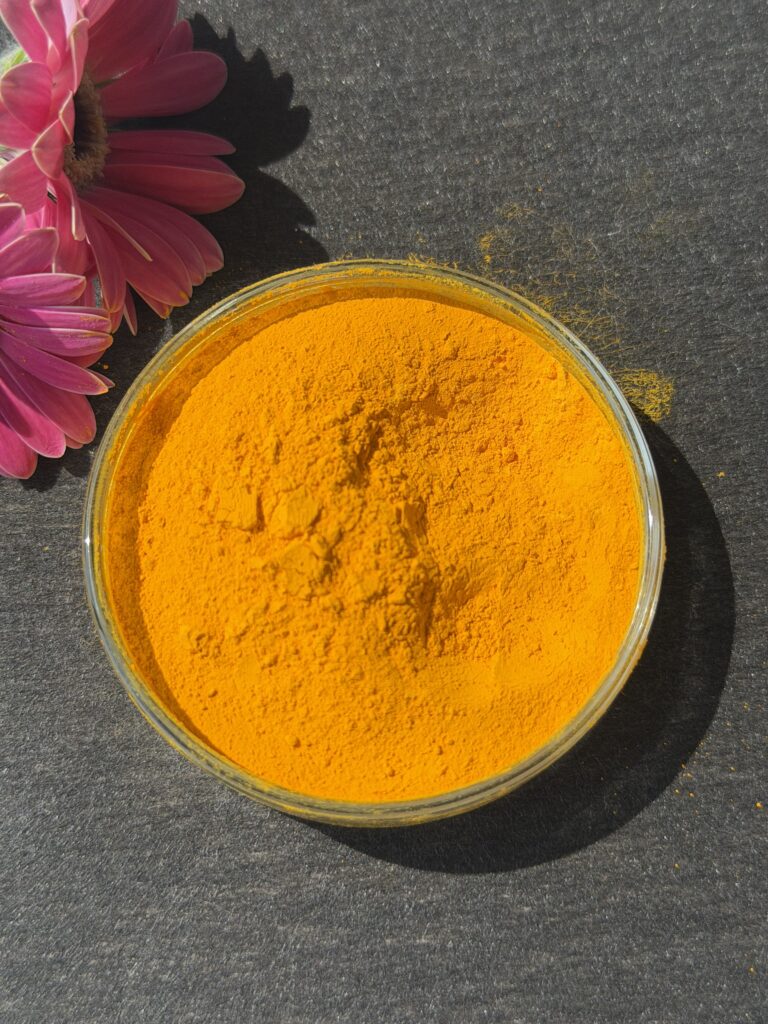
Food ingredient MOQ should be reviewed with pack size, specification, shelf life and delivery requirements.
Quick answer: A food ingredient minimum order quantity (MOQ) may be quoted by net weight, sales-pack multiple, production lot or minimum order value. Compare an offer only after the ingredient specification, package format, required quantity and destination are defined. Ask whether sample or pilot quantities are available, then check the proposed commercial quantity against your production plan and usable shelf-life window. Confirm lead time as a separate, order-specific term.
Food Ingredient MOQ: What It Can Mean
The FDA food safety guidance supports documented supplier controls. MOQ is not always a single kilogram figure. A supplier may state a minimum by weight for one ingredient and grade, by the number of sealed packages, by a production campaign or by order value. The quotation should make clear which rule applies and whether the amount is a minimum shipment, a minimum production run or a package constraint.
- Net-weight minimum: the minimum quantity of the specified material in consistent units.
- Pack multiple: orders are rounded to full bags, cartons, drums or other stated units.
- Production-lot minimum: a batch-size condition that may apply to a specific grade or made-to-order item.
- Minimum order value: a commercial threshold that is separate from the material’s weight or package multiple.
Ask whether different grades, specifications or product codes may be combined to meet a threshold. Treat mixed lots, split packs and partial shipments as unconfirmed until the supplier includes them in the offer.
Match the quantity to the food production plan
Start with the ingredient requirement approved by R&D and production. Estimate it from the planned finished-product volume and the approved inclusion rate, then apply the process yield and unit basis used by your team. This is a buyer-side requirement estimate; it does not change the supplier’s stated MOQ.
Request separate quantities for technical evaluation, a pilot run, the first commercial production and a repeat order. Ask which of those quantities can be quoted and whether the same specification, pack format and documentation basis apply at each tier. Do not assume the smallest sample quantity can be supplied, or that a pilot offer will carry over to a later production lot.
Once the net requirement is clear, compare it with the quoted minimum and package increment. The ingredient MOQ and pack-size planner can help round a buyer-entered requirement to a stated MOQ and pack multiple. Its output is a planning calculation, not a supplier quotation.
Check shelf life, storage and delivered cost
A low unit price can still create a poor fit if the order quantity exceeds the production plan or the material cannot be used within the required period. Confirm the shelf-life statement and storage conditions on the current controlled documents, then ask what remaining shelf life would apply at shipment or receipt. Evaluate that against your production schedule, inventory policy and expected consumption. Do not treat a generic shelf-life statement as confirmation for a particular lot.
Compare offers on the same basis: material identity and grade, net weight, pack unit, price tier, freight assumptions, destination and delivery term. Include the handling or storage implications of the proposed pack format. For a landed-cost comparison, use buyer-entered assumptions and keep estimated costs distinct from a supplier’s current offer.
Review the specification and documents for the intended market
Before approving a food ingredient offer, align the quoted identity and specification with the intended application and destination market. Ask which current documents are available for the specific material or lot, and review the applicable test methods, units, limits and revision dates. A COA reports results for the sample or lot it identifies; it does not automatically establish a different lot’s results or prove suitability for every food application.
Depending on the ingredient, formula and destination, your quality or regulatory team may need to review items such as allergen information, contaminant limits, origin statements, processing aids or other market-specific documents. Confirm the actual requirements with qualified reviewers. Do not assume a certificate, test or regulatory status applies to every product or market.
Keep lead time separate from MOQ
MOQ describes a quantity or commercial threshold. Lead time describes a schedule with a defined start point and finish milestone. A larger quantity, different package, pending test or destination requirement may affect the current schedule, so have the supplier confirm both terms against the same offer. Use the bulk ingredient lead-time checklist to record the schedule trigger, release steps, dispatch milestone and transit assumptions without treating an estimate as a guarantee.
What to include in a food ingredient MOQ inquiry
Send enough detail for the supplier to assess the quantity and quote basis:
- Ingredient identity, form, grade and target specification.
- Intended food or beverage application and destination market.
- Technical, pilot, first commercial and repeat-order quantities, with units.
- Required package size, labeling or pallet format.
- Target production or arrival window and named destination.
- Documents and test information your quality or regulatory team needs to review.
- Any remaining-shelf-life requirement at shipment or receipt.
Use the ingredient RFQ template to organize the request, then request a project-specific quotation. Confirm current MOQ, packaging, samples, price tiers and schedule for the selected specification, quantity and destination.
Frequently asked questions
Is food ingredient MOQ always quoted in kilograms?
No. It may be expressed by weight, package multiple, production lot or minimum order value. Ask the supplier to identify the applicable basis and units in the quotation.
Can a food manufacturer order a pilot quantity below MOQ?
Possibly, but it depends on the supplier and material. Ask whether a sample or pilot quantity is available, how it is packed and documented, and whether it represents the same specification intended for a commercial order.
Does a lower MOQ mean a lower total procurement cost?
Not necessarily. Compare price tiers, pack multiples, freight and handling on a consistent delivered basis, then consider whether the quantity fits the production plan and usable shelf-life window.
Does MOQ determine the delivery date?
No. Quantity can be one schedule input, but the delivery estimate also depends on the selected material, order readiness, quality release, packing and transport assumptions. Confirm the current lead-time milestones separately for the offer.
Food Ingredient MOQ FAQ
Food ingredient MOQ planning helps buyers match purchase quantities to production needs.
Use food ingredient MOQ records to compare pack multiples and repeat orders.