Posted in: Supplier Guide
A nutraceutical ingredient sample is useful only when it represents the material a buyer will actually receive. A small package can look excellent in a formula trial while the commercial lot differs in assay, physical behavior, packaging, or documentation. This guide explains how to compare nutraceutical ingredient samples with a consistent review process, document approval, and reduce the risk of surprises when the first bulk lot arrives.
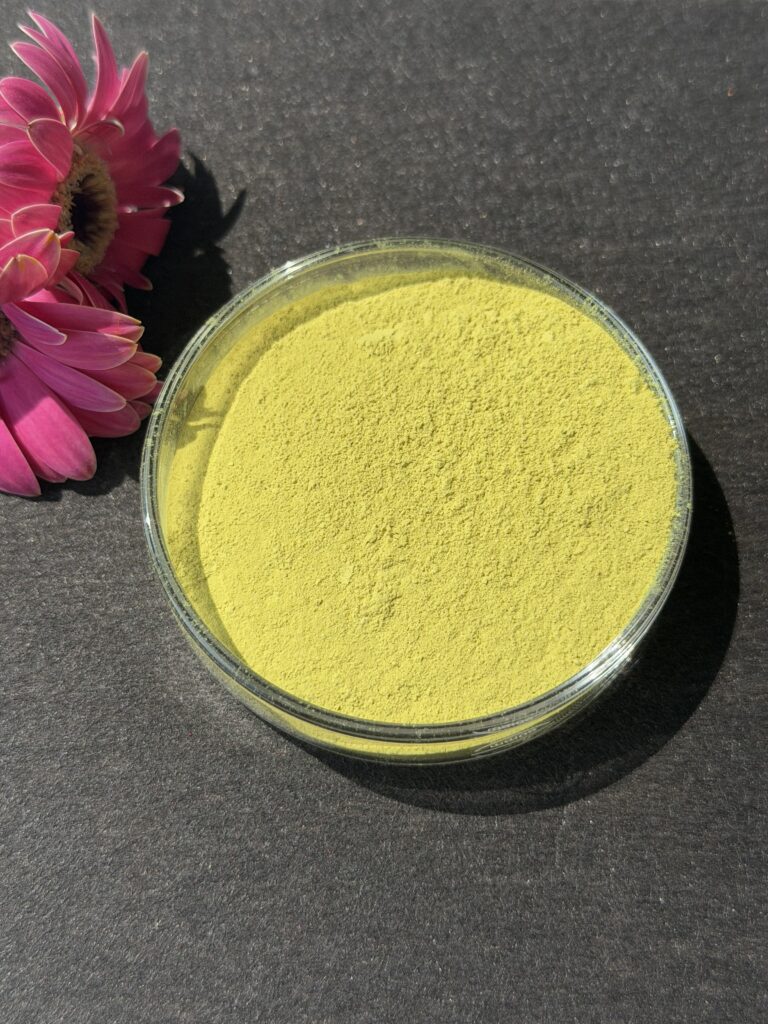
How to compare nutraceutical ingredient samples: set a repeatable review plan
To compare nutraceutical ingredient samples fairly, define the same acceptance criteria, test methods, and intended application before reviewing any supplier result. Keep samples under documented storage conditions and record who evaluated them, when, and against which specification.
Define what the sample is meant to prove
Before testing, record the purpose of the sample. Is the team checking identity, assay, sensory profile, processability, solubility, compatibility, or all of these? The answer determines which results should be documented and which specification should be used. A sample accepted for a laboratory screen may not be enough for a production trial or a finished product release.
Confirm sample identity and traceability
Ask for the exact ingredient name, form, lot number, production or packing date, country of origin, and storage conditions. Compare the sample label with the quotation and technical specification. If the sample is from a blended or repacked lot, ask the supplier to state that clearly. A sample without traceability cannot provide a reliable reference for a future bulk order.
Compare the sample with the specification
Check the measurable attributes that will control approval: assay, potency, activity, marker compounds, moisture, particle size, bulk density, appearance, odor, color, solubility, and microbiological limits. Confirm the units and basis, such as dry basis or as-is basis. Ask for a sample COA or representative batch data so the lab result can be compared with a documented target instead of a verbal claim. This makes nutraceutical ingredient samples easier to evaluate consistently across suppliers and lots.
For example, a buyer evaluating Berberine HCl should compare the assay, appearance, and physical handling requirements with the intended dosage form. For cognitive formulas, review the documentation and specification for Citicoline (CDP-Choline). The same approach applies to botanical extracts, enzymes, amino acids, and other functional ingredients.

Run a realistic formulation trial
Use the sample in the same process conditions expected for production. Record mixing time, flow, dusting, dissolution, tablet compression, capsule filling, taste, color impact, and compatibility with carriers or excipients. A sample can pass identity and assay testing but still create a manufacturing issue when the bulk density or particle size distribution changes.
Review the supporting documents
- Current product specification with test methods and acceptance limits
- Sample or representative batch COA with lot number
- Identity, assay, microbiology, heavy metal, pesticide, and solvent information where relevant
- Allergen, GMO, irradiation, BSE/TSE, or other statements required for the market
- Packaging, storage, shelf life, MOQ, lead time, and change communication terms
Ask how sample-to-order consistency is controlled
Ask whether the sample came from finished stock, a production batch, or a development lot. Confirm how the supplier releases commercial lots and how results are compared with the approved specification. For U.S. dietary supplement manufacturing, review the applicable 21 CFR Part 111 current good manufacturing practice requirements with your quality or regulatory team; applicability depends on product and business role. For repeat purchases, request a lot-specific COA and compare it with the original sample and the last approved batch. Agree in advance how deviations will be investigated and communicated.
Use a sample approval record
Keep the sample label, photographs if useful, test results, formulation trial notes, COA, specification, and supplier responses in one approval record. Note the approved use, target dose, packaging, and any limitations. This record helps procurement avoid approving a different form or grade simply because the product name is similar.
Good Nutrition Bio supports functional ingredient sourcing with documentation for buyer review. Use the COA documentation resource to define the required release information, then include the target ingredient, quantity, packaging, destination, and sample request in the request a quote form. For a structured supplier comparison, apply the nutraceutical ingredient supplier scorecard after sample and document review.
When to move from sample to order
Move forward when the sample meets the technical specification, performs in a realistic process trial, and is supported by traceable documents and workable supply terms. A clear sample approval record reduces surprises when the first bulk lot arrives and gives both buyer and supplier a shared reference for future orders. Keep the approved nutraceutical ingredient samples criteria linked to the specification and lot-specific COA.