Posted in: Ingredient Buyer Guides
Quick answer: Artichoke extract cynarin assay comparison is useful when both offers identify the botanical material, extract-ratio basis, exact marker, assay method, reference standard, reporting basis, and lot evidence. Cynarin and chlorogenic-acid results describe different marker measurements; do not treat them as interchangeable or use them alone to rank supplier offers.
This comparison guide is for supplement manufacturers, formulation teams, procurement, and QA reviewing Cynara scolymus leaf extract. It provides a document-review framework, not a product specification or a claim that every grade uses a particular marker or analytical method.
Artichoke Extract Cynarin Assay Comparison: Identity and Plant Part
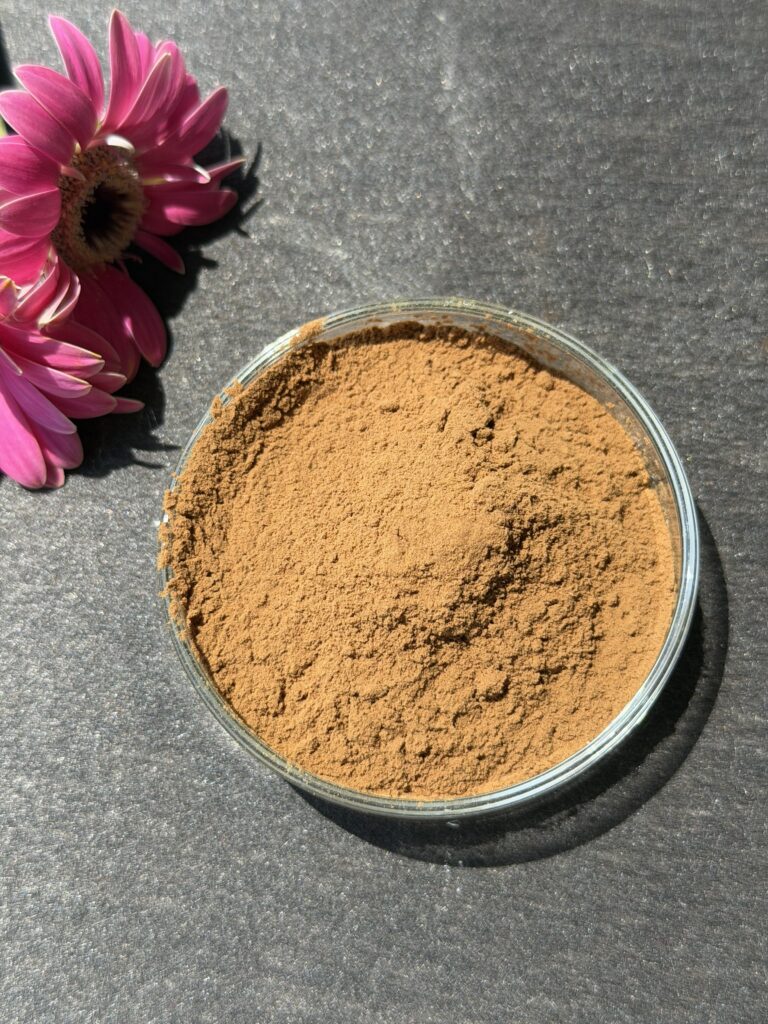
Record the botanical name exactly as it appears on the supplier specification and batch documents, including the plant part. If one offer identifies leaf extract and another says only “artichoke extract,” ask the supplier to clarify before comparing marker results. Also record whether the offered material is an extract, a carrier-containing extract powder, or another form as defined by its specification. For botanical background, see the NIH PubChem search for Cynara scolymus; supplier and laboratory documents must establish the identity and test results for the offered ingredient.
Separate the Artichoke Extract Assay from Extract Ratio
An extract ratio and a marker assay answer different questions. The ratio describes a stated relationship between starting botanical material and extract under the supplier’s declared basis; the marker result reports a measured constituent under a stated analytical procedure. Ask whether the ratio refers to native extract or the supplied powder, and whether carriers or processing aids affect the declared basis. Do not convert ratios or infer equivalence unless the supplier supplies a documented calculation basis.
Compare cynarin and chlorogenic-acid claims carefully
First identify the exact analyte or marker group named in each offer. “Cynarin,” “chlorogenic acid,” and a broader total expressed as equivalents are not automatically the same measurand. Ask for the method, reference standard, calculation basis, and any definition used for a grouped result. If the documents use different analytes or reporting conventions, mark the offers “not directly comparable” until QA agrees a common basis.
Use a quote-comparison worksheet
| Review field | Record from each offer | Decision check |
|---|---|---|
| Botanical identity and plant part | Exact name and plant part on specification and COA | Are both offers the same declared botanical material? |
| Material form | Extract, supplied extract powder, and declared carriers if any | Is the compared basis the supplied ingredient used in the formula? |
| Extract ratio | Value, definition, and native-extract versus finished-powder basis | Do both suppliers define the ratio on a comparable basis? |
| Marker identity | Cynarin, chlorogenic acid, or another explicitly defined result | Are the same analyte and units being compared? |
| Assay and reporting | Method reference, reference standard, calculation basis, and result units | Can QA interpret the results on a common basis? |
| Batch evidence | Lot identifier, test date, result, and acceptance criteria | Does the COA correspond to the offered lot and agreed specification? |
| Commercial and sample review | Sample identity, price basis, quantity basis, packing, destination, and quote validity | Do the sample and quotation refer to the same specification and supply scope? |
Review the Artichoke Extract COA against the Specification
Use the specification to understand the agreed identity and acceptance criteria. Use the batch COA to review results for the identified lot. Check that the analyte, units, method or method reference, and reporting basis align across both documents. A result without a clear method or basis may be insufficient for supplier-to-supplier comparison; ask for clarification instead of assuming equivalence.
Keep other quality checks separate from marker comparison. Review relevant contaminant and microbiological limits against the buyer’s approved requirements and destination-market review. This article does not set universal limits or replace regulatory, safety, or finished-product review.
Evaluate the sample against the intended formula
Before approving a commercial lot, assess the identified sample in the intended dosage form. For a powder blend or beverage concept, document the buyer’s own observations for color, taste, dispersibility, and sedimentation under the planned process. Record the sample identifier and agreed specification so the evaluation can be connected to the proposed lot. Do not infer finished-product performance from a marker result alone.
Questions to send with a quotation request
- What is the botanical identity and plant part for this offered material?
- How is the extract ratio defined, and does it describe native extract or supplied powder?
- Which marker is declared, and what method, reference standard, units, and reporting basis support the result?
- Can the current specification and a batch COA for the offered lot be reviewed together?
- Can the sample be identified against the same specification and quote?
- What MOQ, packaging, lead time, and destination-specific documents apply to this inquiry?
Confirm commercial terms for the specific order; MOQ, packing, and lead time are not fixed by this guide.
Frequently asked questions
Is cynarin the same as chlorogenic acid?
No. They are distinct named marker measurements. Compare each result only with a clearly defined analyte, method, reference standard, units, and reporting basis.
Can buyers compare artichoke extract ratios directly?
Only after both suppliers define what the ratio represents and whether it applies to native extract or the supplied powder. Do not assume that similarly written ratios use the same calculation basis.
What should procurement request before comparing prices?
Request the specification, the offered-lot COA, the marker method and reporting basis, sample identification, and a quotation that states the quantity and commercial scope. This makes the comparison more meaningful than price per kilogram alone.
Does a marker result establish finished-product suitability?
No. Buyers should also review identity, agreed quality criteria, destination-market requirements, sample behavior, and finished-product validation for their own use case.
Next step
Review the Artichoke Extract product page for product-specific inquiry routing. For a quote or sample discussion, send the target marker, method or reporting basis, intended application, quantity range, and destination market through Request a Quote. General botanical test-document questions are covered in the botanical extract testing guide.