Posted in: Buyer Resources, Industry Trends
The EU Packaging and Packaging Waste Regulation (PPWR), Regulation (EU) 2025/40, changes packaging compliance from a general sustainability discussion into a documented product requirement. For nutraceutical ingredient exporters, the practical starting point is a packaging bill of materials: a controlled record of every packaging component, its material, weight, supplier, function and supporting evidence.
PPWR entered into force on February 11, 2025 and generally applies from August 12, 2026. Individual obligations and transition dates vary, so companies should not treat a simplified infographic as a legal calendar. This guide explains how to turn three common PPWR visuals—an official overview, a packaging breakdown and a timeline—into an actionable B2B packaging-data workflow.
What PPWR means for ingredient exporters
PPWR covers packaging placed on the EU market, regardless of material or origin. It introduces requirements and targets related to packaging minimisation, recyclability, recycled content, labelling, reuse and waste prevention. The exact responsibility depends on the role of each economic operator and the way packaged goods enter the EU.
For an ingredient supplier, this means the export drum, inner liner, tamper seal, labels, stretch film, pallet and strapping may all become relevant evidence points. The finished-product brand or EU importer may ask for data even when the supplier is not the party making the final compliance declaration.
The first image in the source set is a screenshot of the European Commission packaging-waste page. It is the correct type of source to use for orientation because it points back to the official regulation and implementation materials.
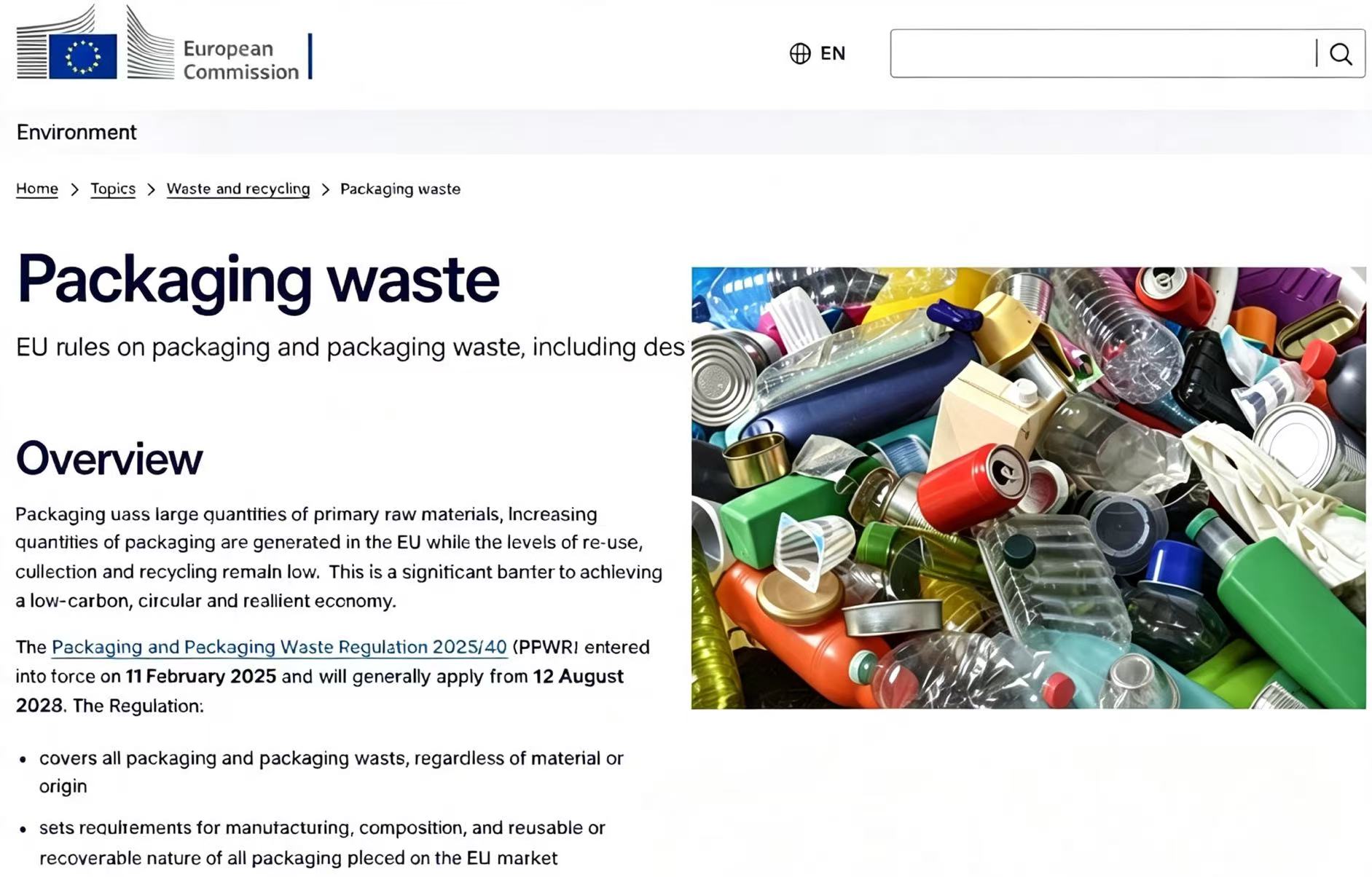
Figure 1. European Commission packaging-waste overview. Use the official regulation and delegated or implementing acts for legal interpretation.
Working definition: A packaging BOM is a controlled list of all packaging components associated with a saleable or shipped unit, linked to material composition, mass, supplier evidence and the packaging level at which each component is used.
Why a packaging BOM is the practical foundation
A product specification usually describes the ingredient, not the complete packaging system. A PPWR-ready BOM closes that gap. It lets regulatory, quality, procurement and logistics teams answer basic questions consistently:
- What components are used for the primary, secondary and transport packaging?
- What is each component made from?
- How much does each component weigh?
- Can components be separated without special tools?
- Which supplier declaration or test supports the material claim?
- Which version of the packaging was shipped in a particular batch?
Without a structured BOM, companies often rely on photographs, purchase descriptions or generic statements such as “food-grade drum.” Those records are insufficient for reliable mass calculations, supplier change control and market-specific compliance review.
How detailed should the BOM be?
The second image illustrates the right principle—break the packaging system into components—but several labels are garbled and should not be copied as technical data. A usable BOM should identify components at the level at which material, weight, supplier or disposal route changes.
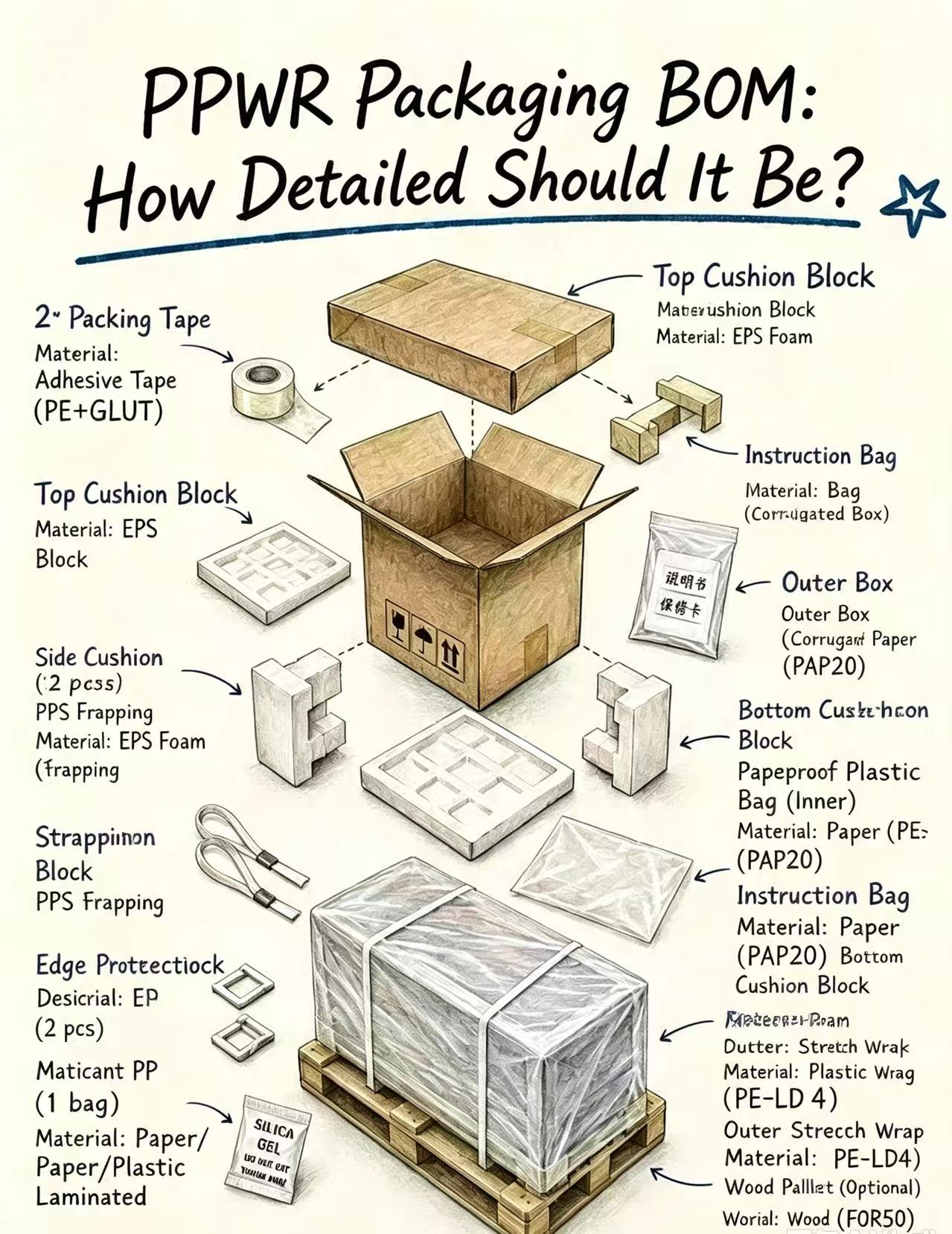
Figure 2. Illustrative component breakdown only. The labels in the source graphic are not a compliance specification; replace them with verified supplier data.
For a 25 kg nutraceutical powder shipment, a practical component list may include:
| Packaging level | Component | Typical data to record |
|---|---|---|
| Primary | Inner polyethylene liner | Polymer grade, colour, thickness, mass, food-contact declaration, closure method |
| Primary | Cable tie or liner seal | Material, mass, supplier and contact status |
| Secondary | Fibre or HDPE drum | Material layers, total mass, dimensions, recycled-content evidence where applicable |
| Secondary | Lid, ring and tamper seal | Separate material and mass for each component |
| Information | Product and hazard labels | Substrate, adhesive, coating, mass and removability |
| Transport | Stretch or shrink film | Polymer, mass per pallet, supplier declaration and use rate |
| Transport | Strapping and edge protectors | Material, mass, number per pallet and separability |
| Transport | Pallet | Wood/plastic type, mass, reuse system and treatment evidence where relevant |
Do not force every material into one line. A drum body, lid, metal closure ring and label should normally be separate rows when their materials or end-of-life routes differ.
Minimum data fields for a controlled PPWR BOM
The following fields create a workable MVP:
- Component ID and revision. Use a stable internal code rather than a free-text name.
- Packaging level. Primary, secondary, grouped or transport packaging.
- Function. Containment, protection, tamper evidence, information or transport stabilisation.
- Material family and grade. Record the supplier’s declared composition; avoid assumptions based on appearance.
- Mass per unit. State the measurement basis and tolerance.
- Quantity per sales or transport unit. For example, two liners per drum or six straps per pallet.
- Supplier and manufacturing site. Useful for traceability and change control.
- Evidence reference. Link declarations, specifications, test reports and food-contact documentation.
- Separation instructions. Record whether components are detachable and how.
- Market applicability and review date. Requirements and evidence can differ by destination.
Add recycled-content, recyclability-assessment and substance-related fields only when the relevant method and legal requirement are clear. A blank controlled field is better than an invented percentage.
Build the BOM from actual shipments
The most reliable workflow begins with a physical packaging teardown. Select a representative commercial configuration, photograph it, identify every component, weigh components using calibrated equipment and reconcile the result against purchasing records.
Then follow this sequence:
- Map the shipment hierarchy from liner to pallet.
- Assign a unique component ID to every packaging item.
- Collect supplier specifications and declarations.
- Verify material descriptions against the actual component.
- Record component mass and sampling method.
- Link the BOM revision to the finished packaging specification.
- Put packaging changes under supplier-notification and internal approval controls.
For low-mass components such as labels or seals, weigh a larger sample and calculate the unit average. Record the sample size and scale resolution. This creates an auditable basis instead of a nominal estimate.
PPWR dates: use a controlled regulatory calendar
The third image correctly communicates that PPWR is phased, but it should not be used as the company’s legal calendar. Its “February 2026 pallet film/strapping exemption” message is not a reliable general rule. Obligations depend on the regulation text, packaging category and subsequent legal acts.
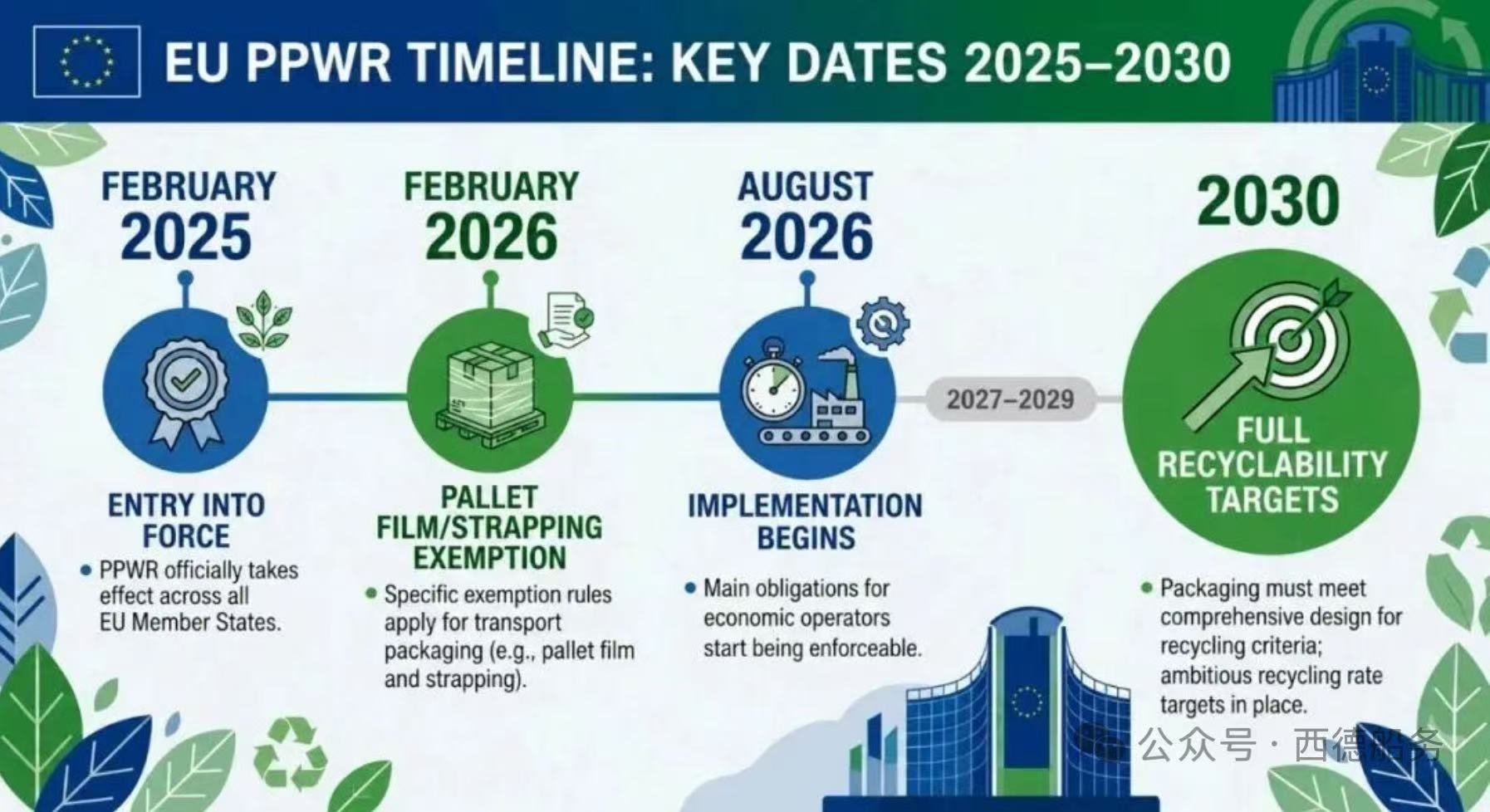
Figure 3. Illustrative timeline. Confirm every milestone against Regulation (EU) 2025/40 and current EU guidance before making a compliance decision.
The dates that can safely anchor a working plan are:
- February 11, 2025: PPWR entered into force.
- August 12, 2026: the Regulation generally applies.
- Later milestones: specific recyclability, recycled-content, reuse, labelling and reporting provisions phase in according to their individual articles and related acts.
Maintain a regulatory requirements matrix with the article, packaging type, responsible business role, applicable date, evidence owner and status. Review it whenever the EU publishes delegated or implementing acts.
Supplier evidence to request
A BOM is an index to evidence, not a substitute for it. For each material, request documentation appropriate to the component and intended use:
- current packaging specification and technical drawing;
- material-composition declaration;
- component mass or weight tolerance;
- food-contact declaration where the component contacts the ingredient;
- recycled-content evidence where claimed or required;
- substances-of-concern information relevant to the legal requirement;
- printing ink, adhesive and coating information where applicable;
- supplier change-notification commitment;
- traceability to production site and lot where feasible.
The evidence package should be version controlled. If a packaging supplier changes resin, thickness, adhesive or manufacturing site, the BOM and compliance assessment may need review before the new component is released.
Common mistakes
Treating transport packaging as out of scope
Pallet film, straps and edge protection still require analysis. A narrow exemption may apply to a particular obligation without removing all other packaging responsibilities.
Recording only the dominant material
“Plastic drum” omits lids, seals, labels, pigments, adhesives and closure rings. Component-level recording is essential where separation and recyclability differ.
Using supplier marketing language as evidence
Terms such as “eco-friendly,” “recyclable” or “100% green” do not identify a method, market or supporting test. Capture the underlying material and evidence instead.
Freezing the BOM after launch
Packaging changes frequently because of availability, freight damage or cost. Treat the BOM as a controlled specification connected to purchasing and quality change control.
A 30-day implementation plan
Week 1: appoint an owner, define the packaging hierarchy and create the BOM template.
Week 2: complete physical teardowns for the highest-volume EU shipment configurations.
Week 3: collect missing supplier declarations and resolve inconsistent material descriptions.
Week 4: approve the baseline BOM, connect it to change control and issue a buyer-facing data sheet.
Start with the packaging configurations that account for most EU shipments. Do not wait for perfect data across every SKU before controlling the highest-risk materials.
What EU buyers should ask their ingredient supplier
- Can you provide a component-level packaging BOM?
- Are component masses measured or estimated?
- Which declarations support material and food-contact status?
- How are alternative packaging suppliers controlled?
- Can the shipped configuration be traced to a BOM revision?
- Will you notify us before material, weight or construction changes?
Good Nutrition Bio can support buyers with ingredient specifications, packaging documentation and shipment-specific technical files. Review our quality-control approach, explore our ingredient portfolio or contact our team to discuss an EU packaging-data request.
References
- European Commission. Packaging waste.
- Regulation (EU) 2025/40 of the European Parliament and of the Council on packaging and packaging waste. EUR-Lex.
This article is for B2B educational purposes and is not legal advice. Companies should obtain qualified EU regulatory advice for their packaging, role and market situation.