What should buyers verify for citicoline sourcing?
For citicoline sourcing, buyers should verify identity, assay, purity profile, related substances, moisture, heavy metals, microbiological limits and the intended dosage format. A B2B review should also confirm sample availability, MOQ, packaging, shelf life, storage conditions and export documentation before comparing price. Citicoline can be used in brain-health and nootropic concepts, but commercial approval should stay tied to the buyer specification and destination-market requirements. The most useful supplier response gives procurement, QA and formulation teams the same evidence: a clear specification, a recent batch COA and practical confirmation of lead time and packaging.
Related buyer resources
Citicoline—also known as CDP-choline or cytidine diphosphate choline—is a specialty choline ingredient used in cognitive-health, healthy-aging and performance-oriented formulations. For buyers, however, choosing a citicoline supplier involves more than comparing assay and price. Identity, analytical method, residual solvents, stability, regulatory fit and document readiness can all affect whether a material works in the finished product.
This guide explains what formulation and procurement teams should verify before sourcing citicoline powder. It is written for ingredient buyers and product developers, not as medical advice.
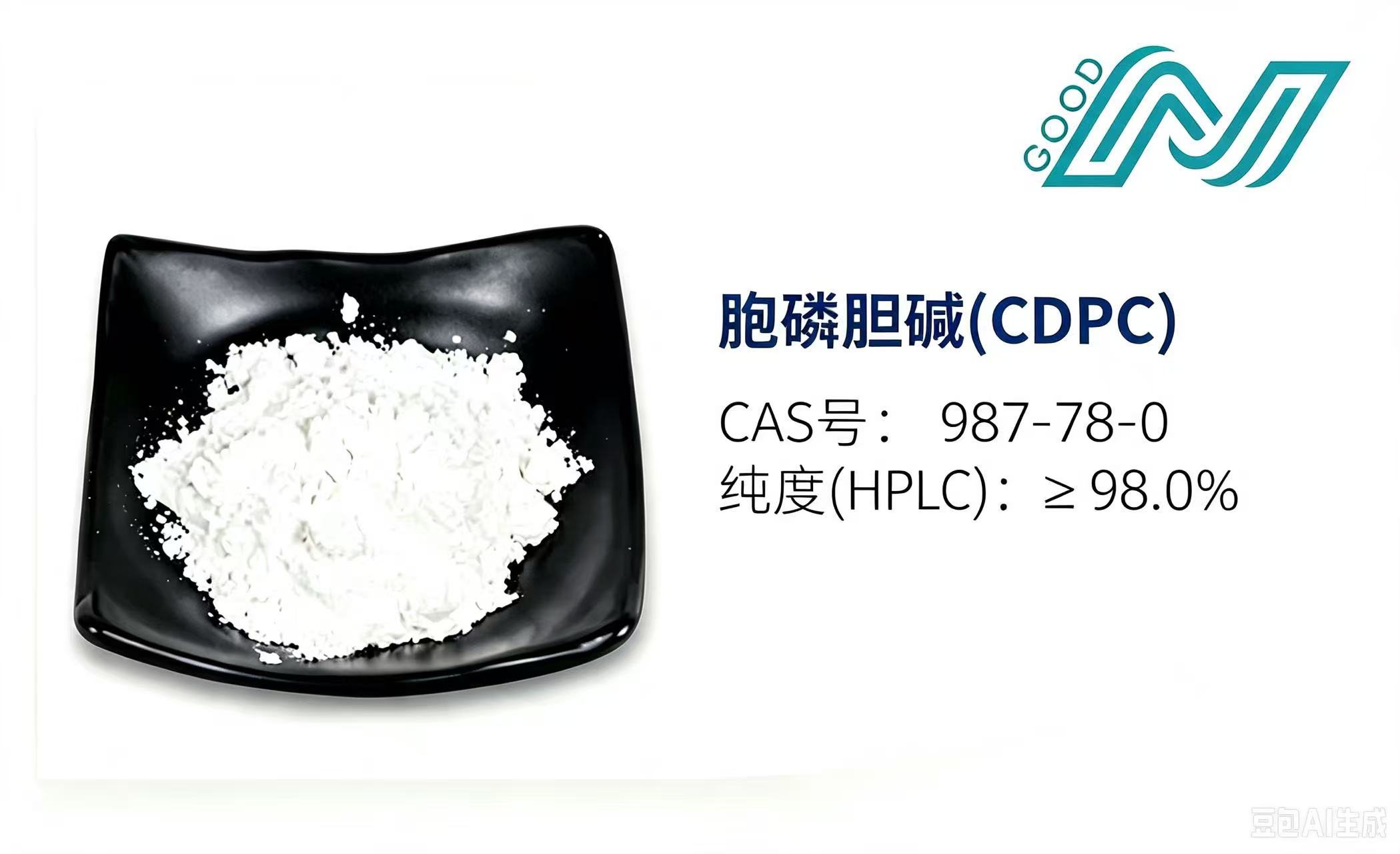
What is citicoline (CDP-choline)?
Citicoline is the common name for cytidine 5′-diphosphocholine, an endogenous intermediate involved in phosphatidylcholine synthesis. Commercial material is typically supplied as a white to off-white, water-soluble powder. Buyers may encounter the names citicoline, CDP-choline and cytidine diphosphate choline in specifications and technical files.
- Common name: Citicoline
- Synonym: CDP-choline
- CAS number: 987-78-0
- Molecular formula: C14H26N4O11P2
- Typical commercial form: water-soluble powder
- Common assay target: often 98% or higher by a specified chromatographic method
The exact specification must be confirmed on the supplier’s current technical data sheet and certificate of analysis. A headline such as “98%” is incomplete unless the test method, basis of calculation and acceptance criteria are also defined.
Why formulators use citicoline
Citicoline is commonly evaluated for products positioned around memory support, focus, mental energy, healthy aging and general cognitive wellness. Its technical appeal includes a relatively small serving size, compatibility with capsule and powder formats, and a clear ingredient identity that can be documented analytically.

Claims must be evaluated for the destination market and finished-product category. Citicoline should not be promoted as diagnosing, treating, curing or preventing Alzheimer’s disease, Parkinson’s disease, depression or any other medical condition. Evidence, dosage, labeling and permitted claim language should be reviewed by qualified regulatory professionals.
Citicoline versus other choline ingredients
| Ingredient | Typical buyer consideration | Formulation note |
|---|---|---|
| Citicoline (CDP-choline) | Premium cognitive-health positioning and defined chemical identity | Check assay, stability, regulatory status and use level |
| Alpha-GPC | Another specialty choline donor used in cognitive and sports products | Can be hygroscopic; handling and packaging matter |
| Choline bitartrate | Economical source of choline for general nutrition | Different positioning, molecular weight and sensory profile |
| Phosphatidylcholine | Often supplied through lecithin-based materials | Composition and phospholipid profile can vary by source |
Key citicoline specifications to verify
1. Identity and assay
Request an identity test appropriate to the material, together with a quantitative assay such as HPLC. Confirm whether the reported result is calculated on an as-is or dried basis. The chromatographic method and reference standard should be controlled and suitable for routine batch release.
2. Water and physical properties
Moisture or loss on drying can affect assay interpretation, flow and storage stability. Ask for appearance, solubility and—when important to manufacturing—particle-size data and bulk density. A powder that meets chemical purity can still create filling or blending problems if its physical properties are inconsistent.
3. Impurities and residual solvents
The impurity strategy should reflect the manufacturing route. Review related substances, residual solvents and any process-specific controls. For higher-risk applications or regulated markets, ask how unknown impurities are investigated and how analytical changes are managed.
4. Elemental and microbiological quality
Finished specifications commonly include limits for lead, arsenic, cadmium and mercury, plus total aerobic count, yeast and mold, and specified pathogens. Required limits depend on the destination market, daily intake and finished dosage form; do not rely on a generic “heavy metals pass” statement.
5. Stability, shelf life and packaging
Ask for the recommended storage condition, packaging configuration, retest or expiry period and supporting stability program. Moisture-barrier packaging and well-controlled sealing are important for powders used across long supply chains. Buyers should also assess in-formula stability rather than assuming raw-material stability predicts the finished product.
Formulation considerations
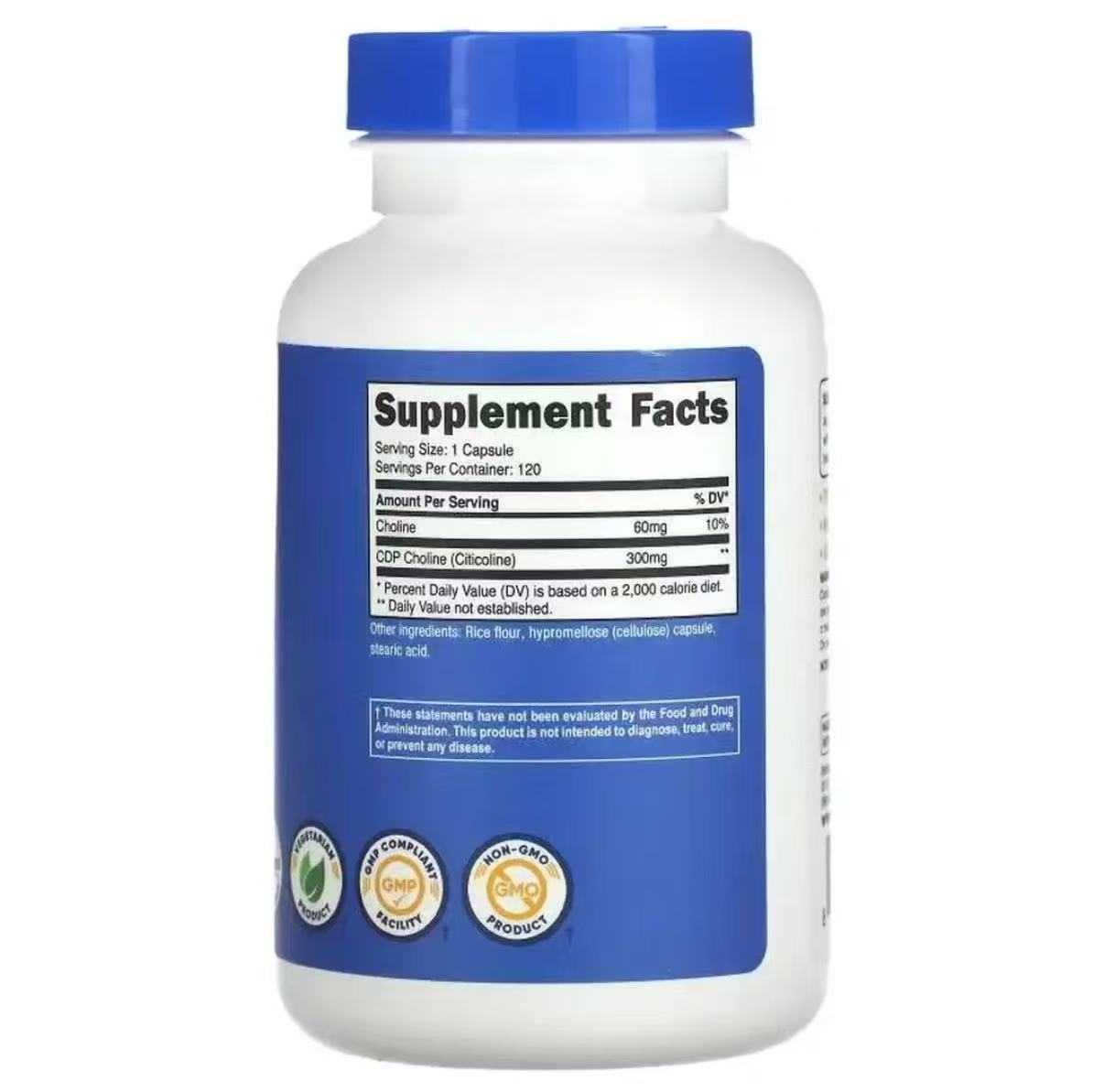
- Capsules: verify powder flow, bulk density and compatibility with excipients before scale-up.
- Tablets: assess compressibility, lubricant sensitivity and dissolution in the final blend.
- Drink powders: evaluate taste, pH, dissolution, moisture pickup and stability throughout shelf life.
- Gummies or liquids: confirm process-temperature tolerance and conduct finished-product stability testing.
- Combination products: review total choline contribution, serving size and interactions with other hygroscopic ingredients.
Bench testing should use the same grade and packaging configuration intended for commercial production. When formulation performance is critical, define particle size, density or solubility requirements in the purchasing specification instead of relying only on the supplier’s standard limits.
Quality documents buyers should request
- Lot-specific Certificate of Analysis (COA)
- Current specification and technical data sheet
- Analytical method summaries or validation information when required
- Safety Data Sheet (SDS)
- Manufacturing flow chart and origin information
- Allergen, GMO and irradiation statements
- Residual solvent and elemental impurity declarations
- Microbiological specification
- Stability or retest-period support
- Quality-system certificates and change-control policy
Document availability should be confirmed before the purchase order. A supplier that can provide a sample quickly but cannot align its COA with your agreed specification may create delays during incoming release or customer audits.
A practical supplier qualification checklist
- Does the supplier clearly identify the manufacturing site and country of origin?
- Is each batch released against a controlled specification?
- Can identity, assay and impurity results be traced to defined methods?
- Are representative and current batch COAs available?
- Can the supplier support sample evaluation before a commercial order?
- Are MOQ, lead time, packaging and Incoterms stated clearly?
- Is change notification included in the quality agreement or purchase terms?
- Can documents be supplied for the destination market and customer audit?

Regulatory and labeling considerations
Regulatory status is market- and use-specific. A conclusion for one food category, dosage or jurisdiction does not automatically apply elsewhere. Before launch, confirm ingredient eligibility, maximum use level, target population, mandatory warnings, name declaration and acceptable claims in every sales market.
For technical identity information, formulators can consult the NIH PubChem citicoline record. U.S. food-use history can be researched through the FDA GRAS Notice Inventory. These resources do not replace product-specific legal review.
Questions to include in a citicoline RFQ
To receive a useful quotation, send the supplier more than the ingredient name. Include:
- Required grade and target assay
- Destination country and intended application
- Trial quantity and forecast annual volume
- Preferred packaging size
- Required physical-property limits
- Microbiological and elemental impurity limits
- Documentation and certification requirements
- Requested sample size and delivery timeline
Source citicoline with fit-for-purpose documentation
Good Nutrition Bio supports buyers evaluating citicoline for dietary supplement, functional food and related formulation projects. We can discuss specifications, samples, batch documentation, packaging and commercial quantities based on your target market and application.
Disclaimer: This article is for business and technical education only. It does not constitute medical, legal or regulatory advice. Product developers are responsible for verifying ingredient suitability, permitted use and compliant claims in each target market.
Need sourcing support?
Ask for specification, COA, samples and lead time
If this cognitive-health ingredient guide matches your buying project, send the ingredient name, target specification, quantity, application and destination market so the sales team can confirm practical supply details.
Article Contact Options