What should a bulk ingredient sourcing checklist include?
A bulk nutraceutical ingredient sourcing checklist should include the target ingredient name, active marker or assay, grade, test method, quantity, packaging, destination market, expected lead time and required documents. Procurement teams should request a current specification, recent batch COA, sample availability, MOQ, shelf life, storage conditions and export document support before price comparison. The checklist should separate confirmed facts from items still requiring supplier confirmation. This prevents early quotes from being compared on incomplete assumptions. For repeat orders, buyers should also record sample-to-batch consistency, communication speed, shipment history and any quality questions raised during incoming inspection.
Related buyer resources
Posted in: Supplier Guide
A structured bulk nutraceutical ingredient sourcing process reduces avoidable quotation delays and makes supplier comparison more reliable. The same checklist can be used for botanical extracts, vitamins, amino acids and other functional ingredients, with product-specific additions where required.
1. Define the Commercial Requirement
- Product name, botanical name and plant part where applicable.
- Assay, active marker, ratio, grade and preferred analytical method.
- Intended application and destination market.
- Trial, annual and order quantity estimates.
- Required packaging, labeling and delivery terms.
- Target schedule and sample requirement.
This information helps suppliers identify the correct material and reduces quotations based on incompatible specifications.
2. Compare Quotations on the Same Basis
Check whether price refers to the same assay, method, carrier, package size, Incoterm, quantity and test scope. A lower price can reflect a different grade or incomplete service rather than a true like-for-like saving. Record currency, validity period, MOQ, lead time and included documents.
3. Review the Specification Before the Sample
Confirm the specification version and resolve method, unit or limit differences before testing a sample. Request a representative COA and identify any supporting statements or reports needed for initial qualification. Use the COA and specification comparison guide to structure this review.
4. Evaluate the Sample
Record sample identification, receipt date, appearance, handling, formulation observations and laboratory results. Keep the sample result connected to the supplied documents. If the commercial batch will differ, require a new review before release.
5. Complete Supplier Qualification
Review company identity, manufacturing or supply role, traceability, certificate scope, complaint handling, change notification and document availability. Qualification depth should reflect ingredient risk and the buyer’s quality system. The botanical extract supplier checklist provides detailed questions.
6. Define the Purchase Order Clearly
The order should identify the product, applicable specification, quantity, packaging, documents, shipment terms and agreed special requirements. Do not rely on email history alone for critical quality criteria. Confirm how deviations or substitutions will be handled.
7. Review the Commercial Batch Before Shipment
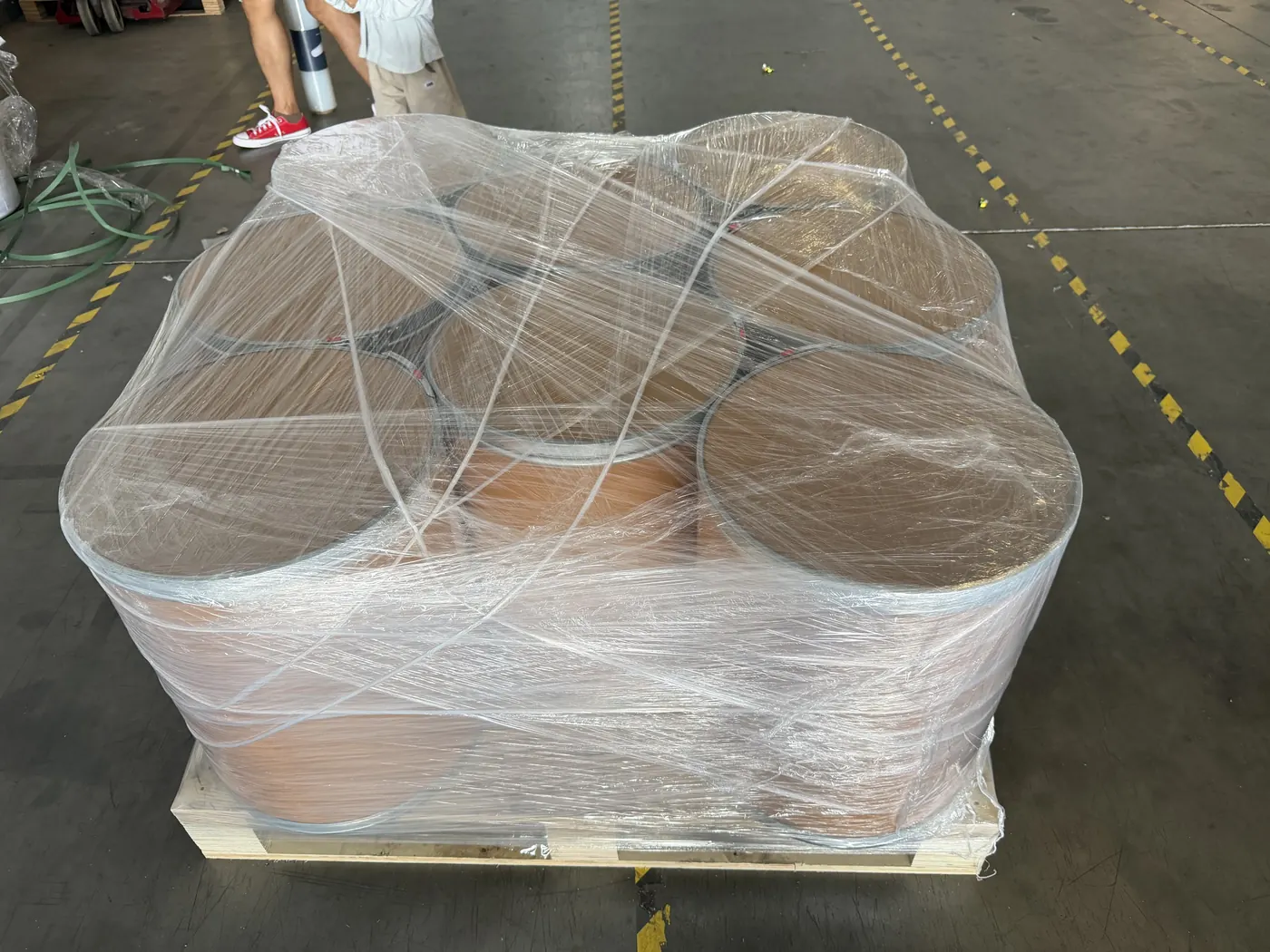
- Match product and batch identity across the COA, packing and order.
- Compare results against the agreed specification.
- Review applicable third-party reports and certificate evidence.
- Confirm package count, net weight, labels, shelf life and storage.
- Close open quality or commercial questions before release.
8. Monitor Repeat Supply
Track document accuracy, batch consistency, lead time, communication, complaints and change notifications. A supplier approved for one order still requires ongoing performance review. Requalification may be appropriate after significant changes or repeated issues.
Send a Complete RFQ
For faster review, send the product, target specification, application, quantity, destination country and required documents. Browse available bulk ingredients, review the Buyer FAQ, or contact sales@goodnutrition-bio.com.
Related Buyer Resources
Product example: review our Boswellia Extract 85% blog to see complete sourcing documentation in practice.
Ready to request a quote?
Turn the checklist into a clear RFQ
Share your target assay, quantity, dosage form, document needs and shipping destination so Good Nutrition Bio can confirm specification fit, sample options, MOQ, packaging and current lead time.
RFQ Contact Options