Botanical extracts, nutraceutical ingredients and OEM-ready support
Quality Control
GoodNutrition supports international B2B buyers with practical quality communication, specification review, and batch-related document support for botanical extracts, vitamins, amino acids, and functional nutrition ingredients.
1. Specification Review
Before quotation or sampling, we help confirm key points such as product identity, assay expectations, appearance, application fit, and packaging direction so buyers can evaluate materials more efficiently.
2. COA and Document Support
For suitable products, we can support ingredient evaluation with specification sheets, COA-related materials, and other practical documents commonly requested during sourcing review.
We pay close attention to batch-related communication and document consistency so buyers can reduce sourcing risk and review materials with greater confidence.
4. Testing and Quality Communication
Quality communication may include discussion around assay, appearance, active markers, and other item-specific indicators relevant to the ingredient being evaluated.
5. Packaging and Shipment Preparation
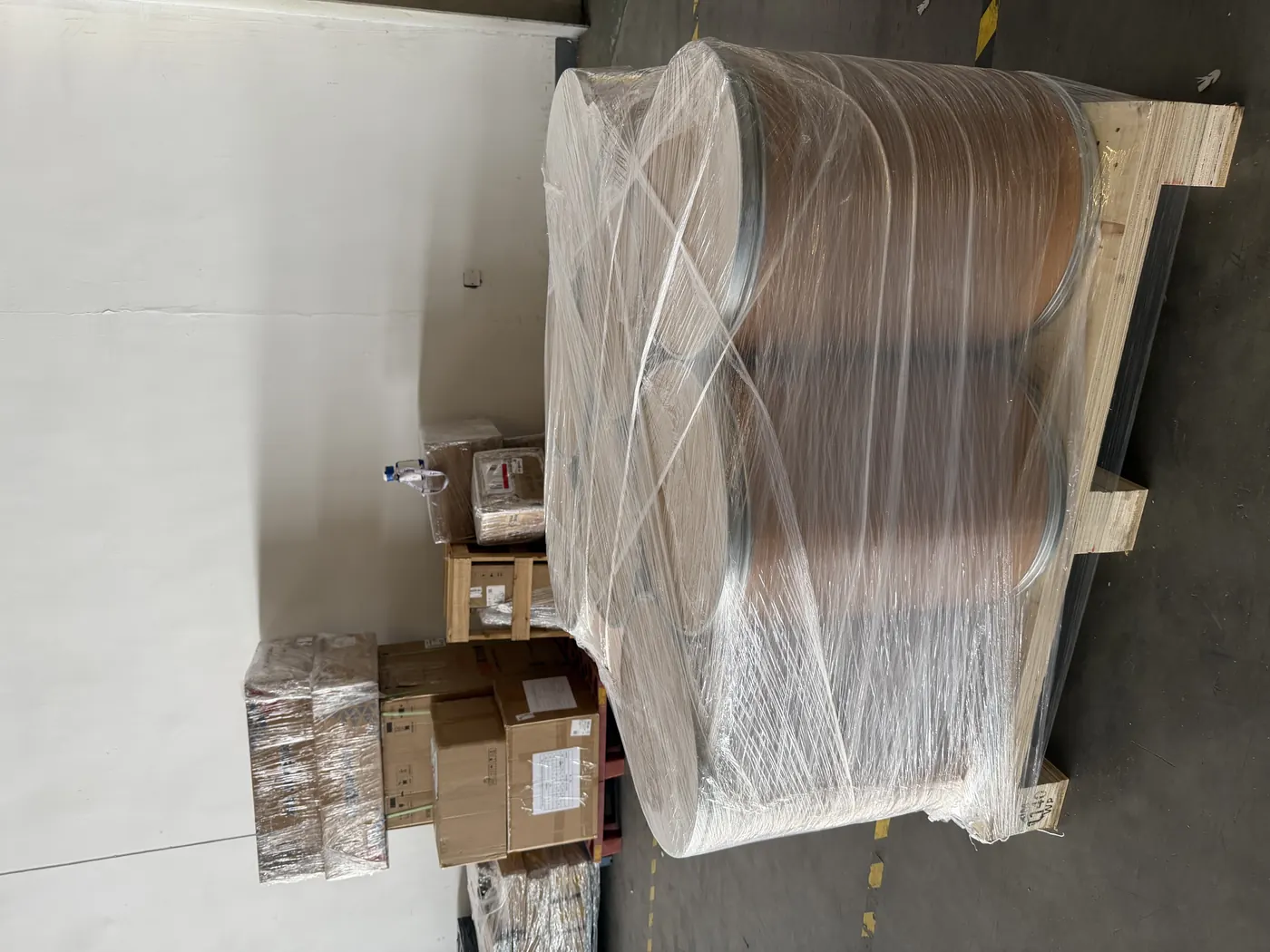
We coordinate packaging and shipment details according to product type, quantity, and export-oriented B2B requirements, helping reduce unnecessary back-and-forth before commercial supply.
Bulk ingredient drums secured and wrapped on a pallet before shipment.
6. Inquiry Support
If you need specification review, COA support, or quotation help for a nutritional ingredient project, please contact our team through the Contact Us page.
Quality document review
Ask for the documents your purchasing team needs
Before approving a bulk nutraceutical ingredient order, buyers can request the current specification, available batch COA, test method details, sample support, packaging information and destination-market document requirements.
Ingredient Quality Control for Bulk Nutraceutical Supply
Quality review starts with the buyer's target specification and intended application. For botanical extracts, vitamins, amino acids and functional nutrition ingredients, our documentation team helps align identity, assay or active-marker expectations, test scope, packaging and destination-market requirements before commercial supply. The applicable specification and release documents are confirmed for the individual product and batch.
Reviewed by: Quality Documentation Team | Last reviewed: July 23, 2026
How a Batch Documentation Review Works
Requirement confirmation: the buyer provides the ingredient name, target assay or ratio, application, quantity and destination market.
Specification alignment: product identity, appearance, active markers, analytical methods, packaging and any market-specific limits are compared with the current specification.
Document and test review: the available batch COA and applicable supporting reports are checked against the agreed requirements. Additional third-party testing can be discussed when the project requires it.
Pre-shipment confirmation: the commercial team confirms batch-related documents, packing details and shipment information before release.
Testing Scope Is Product- and Batch-Specific
Analytical scope depends on the ingredient, manufacturing process, buyer specification and destination market. Review items may include the following, as applicable:
Identity and Composition
Identity testing, assay, extract ratio, active markers, appearance, moisture or loss on drying, and other specification-specific physical or chemical parameters.
Microbiology
Total aerobic count, yeast and mold, and specified microorganisms where required by the agreed product specification.
Elemental and Agricultural Contaminants
Heavy metals and pesticide residues may be reviewed against applicable buyer or market limits for the specific material.
Process-Related Contaminants
Residual solvents, ethylene oxide (ETO) and polycyclic aromatic hydrocarbons (PAHs) may be assessed when relevant to the ingredient, process or destination market.
Scope note: not every test listed above applies to every ingredient or batch. A report demonstrates the results for the sample identified in that document only. Buyers should request the current specification, batch COA and applicable reports for the material offered for purchase.
Selected Third-Party Ingredient Test Reports
These analytical reports provide sample-specific evidence that procurement and quality teams can review during supplier qualification. Open each PDF to verify the sample identification, methods, analytes and reported results.
Documentation discussions may consider requirements and limits relevant to the intended market. Useful official reference points include FDA 21 CFR Part 111 for dietary supplement manufacturing and quality control in the United States, Commission Regulation (EU) 2023/915 for maximum levels of certain contaminants in food, and Regulation (EC) No 396/2005 for pesticide maximum residue levels.
These links are provided as procurement references. They do not by themselves establish product approval, regulatory compliance or suitability for a buyer's finished product. The importer or finished-product owner should confirm the rules, specification and test plan applicable to its formulation and market.
What to Request Before Purchasing
Current product specification with identity, assay or active-marker requirements.
Batch-specific Certificate of Analysis for the material being offered.
Applicable test methods, third-party reports and certificate scope.
Allergen, GMO, residual solvent, contaminant or other declarations required for the project.
Packaging, shelf life, storage conditions and traceability information.
Request Current Batch Documents
Send the product name, target specification, intended application, quantity and destination country. Our team will confirm the documents available for your sourcing review.
ISO 9001 covers plant extracts and pharmaceutical intermediates. ISO 22000 covers the named extracts and food additives listed in its certificate, including NAD and MSM. These management-system documents do not certify every catalogue product.
Current status must be confirmed with CQC and the applicable surveillance audit acceptance notice. For Halal, Kosher or organic requirements, request product-specific evidence and confirm availability before ordering.