
WHAT IS THE PEA?
Palmitoyl ethanolamide (PEA) is a long-chain molecule composed of the fatty acid palmitic acid and the ethanolamine group. It is also a naturally occurring fatty acid amide. PEA was initially extracted from soy lecithin, egg yolks, and peanut meal, and later isolated from mammalian tissues. It is an endogenous compound in the human body. In 1957, it was first isolated and described as N-(2-hydroxyethyl)-palmitamide, so PEA belongs to the N-acyl ethanolamine family. The main representatives of the endogenous cannabinoids (the cannabinoids produced by the human body, known as endogenous cannabinoids) in this family are also included: Anandamide. Therefore, PEA is also a type of endogenous cannabinoid (eCB).
PEA is synthesized on demand in the phospholipid bilayer of the human and mammalian cells and acts locally. It has been found in all tissues including the brain. However, the synthesis of PEA decreases with age. Although this molecule is present in foods (such as soybeans, corn, egg yolks, and even breast milk), its content is very low. Moreover, PEA is considered to be a pro-stable protective response to cellular damage. Its levels drop rapidly in cases of (chronic or acute) pain and inflammation. Therefore, exogenous supplementation is needed to restore the level of PEA in the body. Many products containing PEA have been approved for use as nutritional supplements, food supplements, or medical foods in different countries. The recommended dosage is 1200 milligrams per day.
THE DIFFERENCE BETWEEN PEA AND CBD!
Many reports tend to describe PEA as a substitute for CBD. However, this is not the case. Although CBD products are very popular in the market, they also face a series of challenges, including the lack of human clinical studies, legality, safety, compliance, and dosage issues. PEA is similar to CBD and both have anti-inflammatory and neuroprotective properties. However, CBD is not produced by the human body, while PEA is an endogenous substance that is produced as a direct response to inflammation and a repair mechanism. Moreover, PEA has been confirmed by 40 studies to have various benefits and has received safety certifications and clinical trials. Its multifaceted effects include anti-inflammatory, analgesic, immune regulation, and neuroprotective activities, etc.

Immune regulation
In the 1960s, PEA was first used for the prevention of influenza and common colds. Preclinical studies have shown that this preventive effect is due to the fact that PEA can increase the body’s non-specific resistance to bacteria and viruses. Clinical studies indicate that PEA can reduce the number and duration of upper respiratory tract infections. This double-blind, placebo-controlled trial was published in the journal “Nutrients” and involved 398 participants aged between 18 and 65 years. Over a period of 12 weeks, participants completed a health-related quality of life assessment every four weeks. The results showed that compared to the placebo group, the median severity score of upper respiratory tract infection symptoms such as throat itching and coughing in the PEA group was significantly lower. PEA binds to the PPAR-a receptor of immune cells (such as macrophages and MCs), leading to a reduction in the production of inflammatory signals and a decrease in pain signals. This has been documented in over 60 indexed papers in PubMed. The anti-inflammatory and cytokine regulation effects of PEA explain its ability to alleviate symptoms during the onset of influenza and common colds.
2) Joint protection
PEA is also a compound that can relieve joint pain. A clinical trial found that PEA is more effective than ibuprofen in alleviating the pain of temporomandibular joint (TMJ) osteoarthritis.
3)Relieve pain and inflammation
Most of the current research on PEA focuses on its analgesic properties. PEA has been studied in preclinical models of inflammation and neuropathic pain, and its effects have been proven to be applicable to conditions such as osteoarthritis and joint pain, neuropathic pain, postoperative pain, fibromyalgia, and endometriosis. PEA is endogenously produced on demand in all tissues as a protective response to injury, inflammation, and pain. However, when pain persists, PEA may experience “exhaustion”. Chronic inflammation leads to a decrease in PEA levels, which we have also mentioned earlier. In this case, exogenous administration of PEA may help to supplement the endogenous PEA levels and restore its protective, anti-inflammatory, and analgesic effects: The efficacy of PEA in treating migraines has been confirmed in several studies. First, Dalla and his colleagues reported that after taking 600 milligrams of PEA for three months, the frequency, duration, intensity, and number of headaches were all reduced. Another study showed that in patients with migraine with aura treated with non-steroidal anti-inflammatory drugs (NSAIDs), long-term administration of 1200 milligrams per day of PEA could reduce pain. It reduced the number of monthly attacks and the number of days of pain per attack. Similar findings were also confirmed in an open-label trial of pediatric patients with migraine without aura. Daily supplementation of 600 milligrams of PEA for 3 months could reduce the frequency, intensity, and percentage of severe attack patients of headache. These findings indicate that PEA can be used to prevent migraines and improve tension headaches.
- Anti-allergy
The anti-allergic effect of PEA can be traced back to the 1950s. At that time, a phospholipid component isolated from egg yolks showed anti-allergic activity in guinea pigs. Some subsequent studies also confirmed the effect of PEA in alleviating allergies in the human body. A multinational, multi-center study on atopic eczema showed that applying a unique layered matrix cream containing PEA locally could significantly reduce the intensity of redness, itching, peeling, scaling, desquamation, and dryness. There was also an interesting case report of a 13-year-old autistic child who exhibited obvious allergic diseases, including chronic eczema, allergic rhinitis, and asthma. The doctor reported that taking PEA orally daily for one month (initially 600 mg/day, later increased to 1200 mg/day) could significantly reduce allergic symptoms, skin eczema, and urticaria.
- Regulate sleep and relieve anxiety
In addition, PEA also has some clinical evidence for its anti-anxiety properties. For instance, when used in combination with escitalopram (an antidepressant), an acute dose of PEA (1200 milligrams per day) can improve the symptoms of severe depression. Moreover, a recent double-blind, randomized, placebo-controlled study evaluated the enhanced bioavailability of PEA in patients with osteoarthritis and found that it can alleviate patients’ stress, anxiety, and knee joint pain. Additionally, in a study related to wrist tunnel syndrome (an emotional disturbance-related condition), taking 1200 milligrams of PEA before and after surgery significantly improved the sleep-wake rhythm and the overall quality of sleep. Although further research is needed, PEA seems to have the potential to be a suitable long-term supplement that can comprehensively improve the sleep and quality of life of many people.

PEA PPEA Product
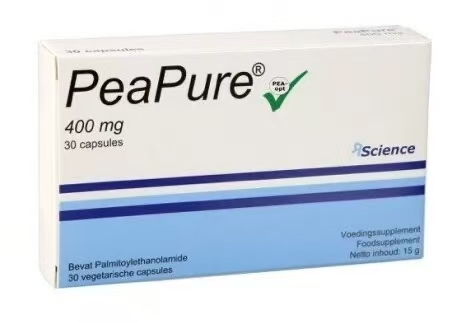
PEA has obtained the GRAS certification from the United States and has been approved by the Canadian Ministry of Health as an NHP. It is also accepted as a dietary supplement in the United States, Europe, Australia and India. The product named Normast is sold as a special medical-use food, while PeaPure@ is a dietary supplement product for relieving pain.
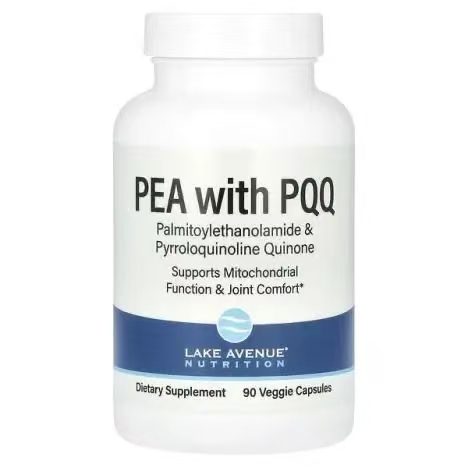
There are also products for joint health, such as Lake Avenue Nutrition. It is a combination of PEA and PQQ, claiming to support mitochondrial function and joint comfort.
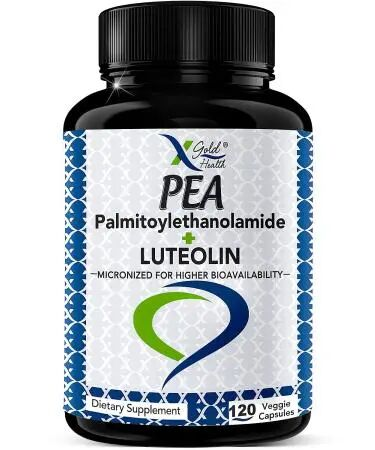
The combination of PEA and luteolin has the effects of relieving pain, supporting the nervous system, and anti-inflammatory.
Although there are already over 1,100 papers on PEA, the ongoing and upcoming clinical trials will provide us with more health-related evidence about PEA.