Curcumin 95% VS. Curcumin 98%, is Higher Concentration Always Better? In the natural botanical market, curcumin is undoubtedly one of the most representative functional ingredient, widely used in nutritional supplements, pharmaceutical intermediates, functional foods, and skincare formulations. However, what exactly is the difference between the commonly available 95% curcumin and 98% curcumin on the market? Is the higher purity worth the increased cost, and how should one choose?
Today, we delve into the “counterintuitive truths” behind this industry from perspectives including origin, processing, purity, and cost.
Basic Information
Chinese Name: Curcumin
English Name: Curcumin
· Molecular Formula: C₃H₈O₃
Molecular Weight: 368.38 g/mol
CAS Number: 458-37-7
Chemical Name: 1,7-Bis(4-hydroxy-3-methoxyphenyl)-1,6-heptadiene-3,5-dione heptadiene-3,5-dione
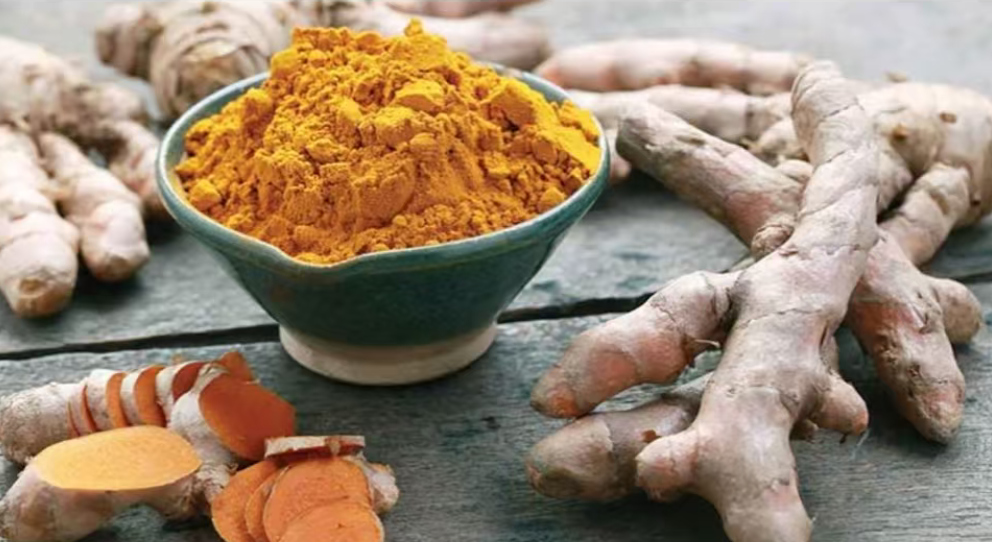
Curcumin is a natural polyphenolic compound widely found in the rhizomes of Curcuma longa L., a plant belonging to the ginger family. It is the key component responsible for turmeric’s distinctive golden-yellow color. As a vital ingredient in traditional Indian Ayurvedic medicine, curcumin is also extensively utilized in Chinese herbal medicine, natural drug research, and modern functional nutrition.

Core Differences in Source and Process
| Comparative item | Curcumin 95% | Curcumin 98% |
| Source | Natural | Synthesis |
| Procress | Ethanol extraction of turmeric rhizome + chromatographic separation | Synthesis reaction + recrystallization purification |
| Active Ingredient Composition | Curcumin,Demethoxycurcumin,Bisdemethoxycurcumin | Single curcumin |
| Color | Deep yellow to orange | Light yellow |
| Is it natural? | √100%Natural | ×Most are synthetic products. |
Why the cost of 98% curcumin cheaper than 95%?
Cost Factors for 95% Curcumin:
- Derived from natural turmeric plants;
- Extraction cycle is lengthy, consuming substantial raw materials;
- Separates three active components while preserving natural proportions;
- Process controllability is low, with significant yield fluctuations;
- Market demand is stable, with high export volumes.
Therefore, it commands a premium price, carrying value labels such as “natural ingredients” and “export pharmacopoeia compliance.”
Low-cost source of 98% curcumin:
- Most are chemically synthesized (non-natural);
- Mature production processes, low cost, high yield;
- Though highly pure, they lack “natural synergistic activity”;
- Their bioequivalence is questioned in the health supplement sector.
More suitable for experimental, industrial pigment, and cost-effective applications.
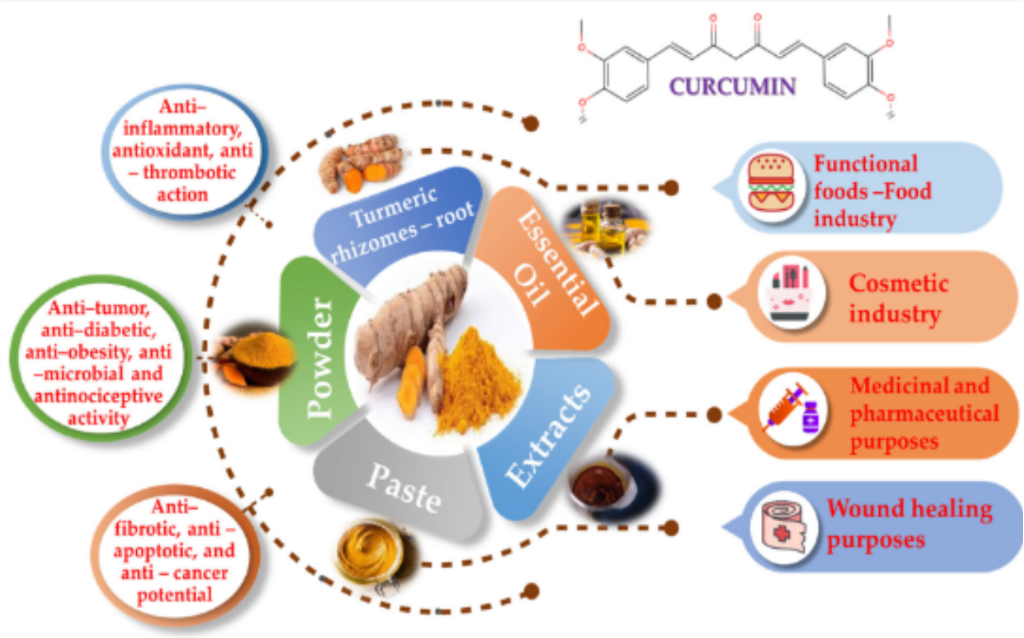
Application Areas
| Application Scenarios | Recommended Categories | Reasons for Recommendation |
| Functional Foods | 95%Natural Curcumin | Legal exports with high consumer acceptance |
| Pharmaceutical intermediates | 95%Synthesis Curcumin | Low cost of industrial synthesis |
| Research | 98%Curcumin | Experimental reference standards, high-purity monomer requirements |
| Skin Care Cosmetics | 95% for premium lines, 98% for mass-market lines | Natural certification or cost-driven approach |
| Food coloring | 98% Curcumin | High-purity stable coloring |
Global Market Performance:
According to Grand View Research data, the global curcumin market reached $590 million in 2023 and is projected to exceed $800 million by 2027. Demand for high-purity curcumin is rapidly growing in North America and Europe, particularly in functional skincare, phytomedicines, and precision nutrition.
Don’t be fooled by the prices—making the right choice is what matters most.
- High content≠High vaule
- Natural Cource≠Lower costs